
Need expert Santa Fe HVAC services? Nespolo Mechanical provides top-rated heating and cooling solutions in Santa Fe, NM.
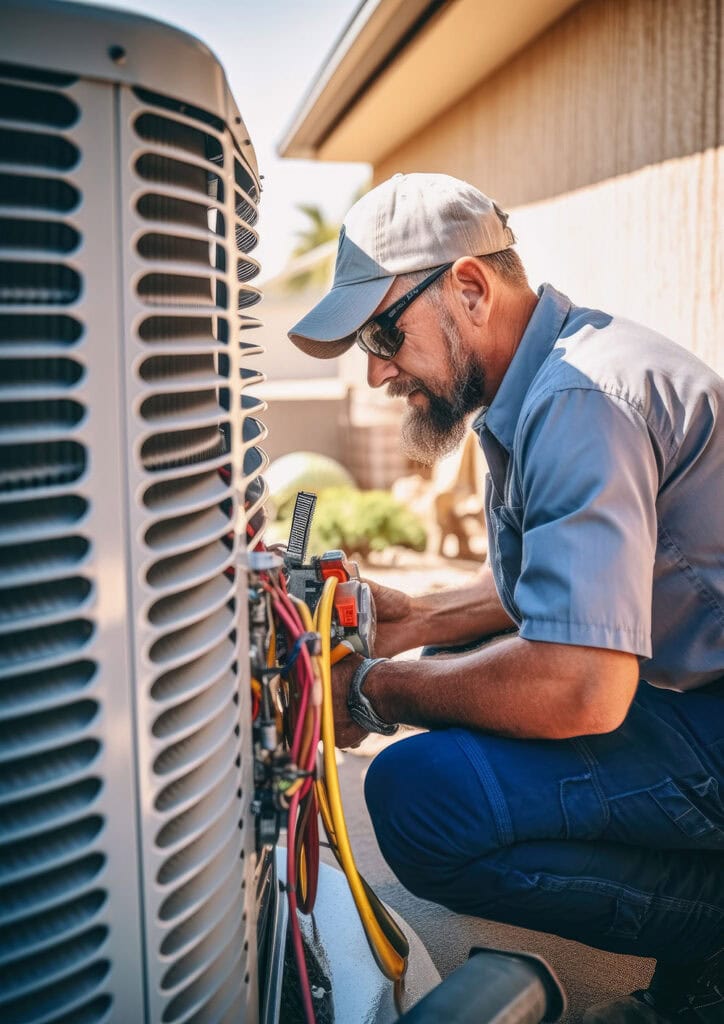
For top-rated Santa Fe HVAC services, look no further than Nespolo Mechanical. As one of the leading Santa Fe HVAC companies, we specialize in providing expert heating and cooling solutions for both residential and commercial properties. Whether you need a new HVAC system installation, reliable repairs, or regular maintenance, our certified technicians ensure your home or business stays comfortable year-round. We understand the unique climate challenges of Albuquerque, making us the trusted choice for HVAC Santa Fe.
At Nespolo Mechanical, we offer energy-efficient systems and tailored solutions designed to meet the specific needs of your space. As one of the most reputable HVAC companies in Santa Fe, we’re committed to delivering high-quality service and customer satisfaction. Contact us today for all your Santa Fe HVAC needs, and experience professional service that keeps your heating and cooling systems running smoothly.
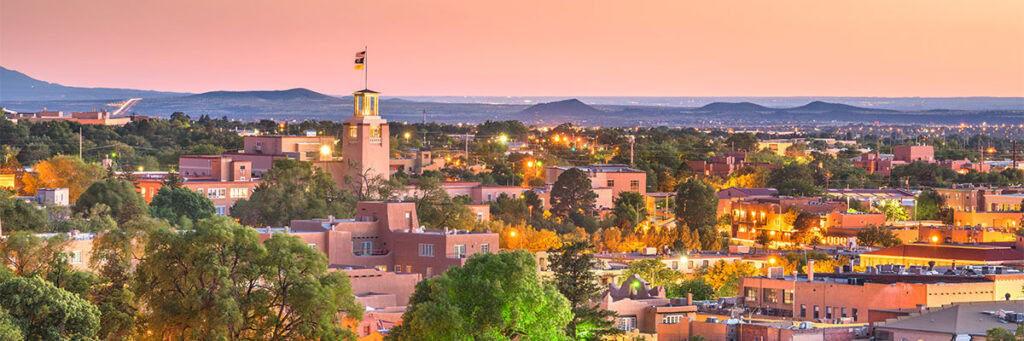
Santa Fe, New Mexico, is known for its unique climate, with hot summers and cold winters, making efficient heating and cooling systems essential for comfortable living. At Nespolo Mechanical, we understand the specific HVAC needs of Santa Fe residents, providing customized heating and cooling solutions that keep your home or business comfortable year-round. Whether it’s installing energy-efficient air conditioning systems to beat the summer heat or ensuring your furnace is ready for chilly desert nights, we’ve got you covered.
As a local Santa Fe HVAC company, we are familiar with the challenges that the dry, high-altitude climate presents. Our services are designed to ensure maximum efficiency, reducing energy costs while delivering superior comfort. From quick repairs to full system installations, Nespolo Mechanical is committed to offering top-tier HVAC services that meet the unique demands of Santa Fe’s weather. Trust us to keep your home or business comfortable no matter the season, with our professional and reliable HVAC services in Santa Fe, NM.
Posted on Google
 Curtis MarkSeptember 8, 2026
Trustindex verifies that the original source of the review is Google.
he arrive at the time they said he would. he gave me news of a maintenence contract - that I should have already had in place. Alarmed- but heeded his advice . Cleaned up the mess created.Posted on Google LindaSeptember 5, 2026Third company to get mini-split functioning. First to figure out the problem...finally. Ed knew his stuff. No bull.Posted on Google
 J RaniSeptember 2, 2026They were very helpful with scheduling after a delivery date was changed. They are thoughtful and considerate and Carlos did a good job. We are very pleased with their work and will continue to use their services.Posted on Google
 Henry BucknerSeptember 2, 2026Professional, and knowledgeable. Answered all questions.Posted on Google
 Joan PaciorettyAugust 31, 2026Needed a floor vent moved. Carlos was friendly, efficient and cleaned up after the job was complete. Napoli installed my heat pump last Spring. Great team, great work. I love this heat pump!!Posted on Google
 Barbara RosnerAugust 29, 2026After 17 years of dealing with evaporative coolers, we decided to switch to a more efficient type of system. We interviewed three HVAC dealers in Albuquerque and chose to engage the services of Nespolo. We felt that Robert Pallulat, the owner, provided the most clear, concise information about our options. He promptly delivered complete well documented estimates for each option. We felt confident that Robert and his team would do the best job for our needs. We chose to have mini-splits installed throughout our home to provide cooling in summer and heat in winter. Robert’s team was well organized and prompt. They removed the evaporative coolers for us and took care of donating them to the nonprofit we preferred. The Nespolo team was respectful and careful throughout the entire installation. They often stayed late and always cleaned up after themselves. The installation went smoothly and the results have been excellent. In this summer of record-breaking heat, we have stayed cool and comfortable. I highly recommend this company to anyone who is looking to install HVAC equipment. Thank you Nespolo!Posted on Google
 Charles GarofaloAugust 29, 2026Great job, once againPosted on Google
 Francine FosterAugust 27, 2026Robert drove up to Santa Fe from Albuquerque and spent an hour and a half explaining in detail different choices for heat pump. He’s very knowledgeable and helpful. I feel confident about working with him.Posted on Google
 Michael FAugust 19, 2026Great service and very professional team! They provide reliable AC and furnace repair and installation, and their ductless mini-split services are excellent. Highly recommended!Posted on Google
 Emilio J BrazilAugust 18, 2026👍👍👍👍👌Posted on Google
 Anita RomeroAugust 3, 2026Robert Thank you for the detailed information.Posted on Google
 Sandra SanchezJuly 31, 2026Javier and Krystian came and serviced my A/C units. They were very courteous knowledgeable and friendly. My units are clean and ready for the hot weather! I will definitely be using NESPOLO in the future! Thank youPosted on Google
 Susie McMinnJuly 31, 2026Ken and Ray were amazing. The best HVAC team in town. And Robert was great and really came thru on the logistics. Excellent team and top quality products and work.Posted on Google
 Dan HorchJuly 23, 2026My Daikin multi-zone minisplit had stopped working entirely (no air, no nothing) in the height of summer. Some other HVAC guys had said it couldn't be fixed. Ed & Derek at Nespolo found the problem and got it fixed, the same day, at a fair price. While they were here, by chance my other minisplit started dripping water, so they found the busted drain pipe and fixed that too. Great communication throughout, with them and with the owner. Top notch!Posted on Google
 Judy ReuterJuly 16, 2026On time, knowledgeable,, professional and thorough! All that you want in an HVAC team!Posted on Google
 Nancy YatesJuly 13, 2026Ricardo was FANTASTIC !!! Super polite and very thorough!Posted on Google
 juan geyerJuly 8, 2026Christian was very knowledgeable and professional. He quickly found the problem and diagnosed the remedy. I will continue to use them above all the others!Posted on Google
 Will MountJuly 8, 2026Great service and kind employeesPosted on Google
 Jeff AverhoffJuly 7, 2026To say our job was average was an UNDERSTATEMENT!!! The builder had installed a WAY substandard system and due to the design of the house there was really no way to correct the basic design flaws. Robert listened and understood the issues we faced and offered a great solution!!! A 6 Zone Mini-Split Cold Climate Heat pump (2 outside units). The installation was not easy, but the whole crew (Ken, Richardo, Alex and Walter) did an OUTSTANDING job. They were punctual and cleaned up after themselves. They took the time to answer all our questions (given the horrible experience with the builder) and adapted to any changes we requested. Prior to picking Nespolo, I had 4 other big local companies come out. The first thing I told all of them was that we DID NOT want a gas furnace due to Propane costs. All the other companies included a propane furnace in their proposals. Nespolo definitely listened and gave us a WONDERFUL solution!!!Posted on Google
 Richard HerrmannJune 22, 2026Ray was fantastic-- prompt, polite, thorough, very careful of the property and quick to answer questions in a clear and very polite way
Santa Fe Zip Codes Serviced: 87501, 87502, 87503, 87504, 87505, 87506, 87507, 87508, 87509, 87540, 87592, 87594