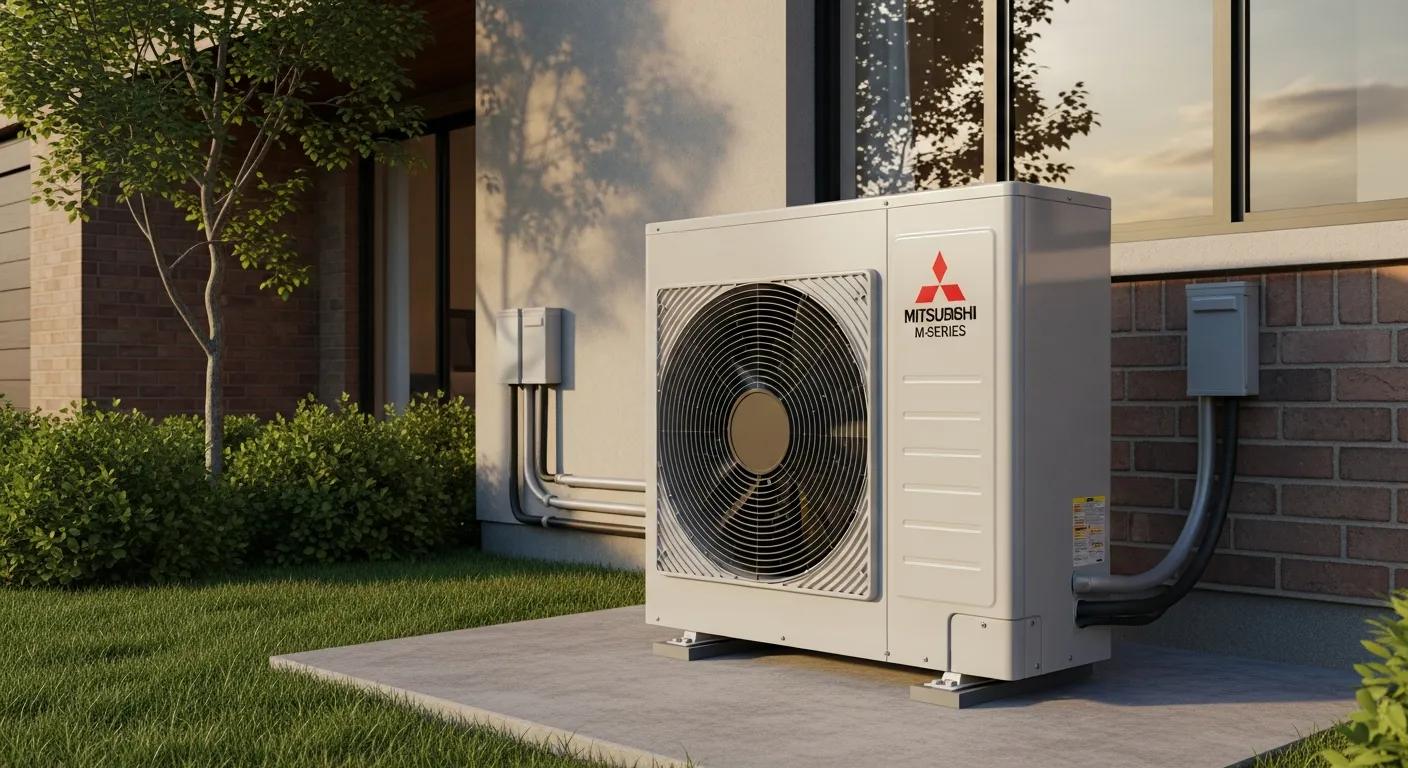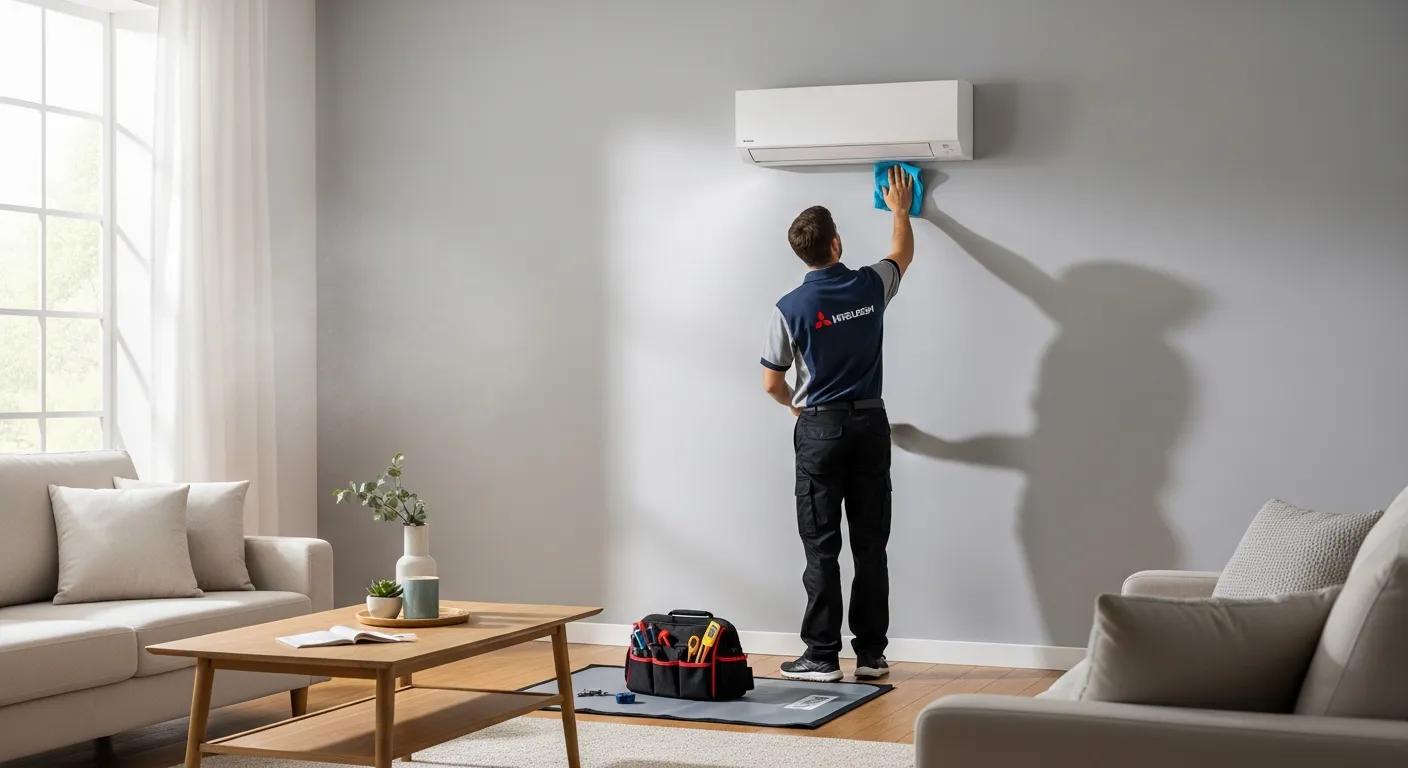
Mitsubishi mini split systems are a common choice for homeowners who want efficient, zoned heating and cooling. Knowing how long they typically last and the signs that point to repair versus replacement helps you protect comfort and control costs. This guide walks through expected lifespan, what affects longevity, warning signs to watch for, and typical costs so you can make a smart decision for your home.
What is the typical lifespan of a Mitsubishi mini split system?
Most Mitsubishi mini split systems last about 15 to 20 years. That range depends heavily on proper installation, routine maintenance, and the conditions where the equipment runs. Simple tasks like keeping filters clean and having refrigerant levels checked can add years to the unit’s life. Homeowners who keep up with regular care usually see reliable performance well into that 15–20 year window.
In short: consistent maintenance is one of the most cost‑effective ways to extend service life and get the best value from your system.
Mitsubishi — equipment life cycle and maintenance
Research from Mitsubishi highlights how lower maintenance needs and longer service life reduce total life‑cycle costs for HVAC equipment. MITSUBISHI ELECTRIC, 2010
Which factors affect the durability of mini split systems?
Several things influence how long a mini split will last:
- Installation quality: A correct install matters. Poor piping, incorrect refrigerant charge, or bad electrical hookups can shorten the system’s life.
- Regular maintenance: Scheduled cleaning, filter care, and annual inspections stop small issues from becoming big failures.
- Environmental conditions: High humidity, salty coastal air, or extreme temperatures can increase wear on outdoor components.
Understanding these factors helps you take practical steps to protect your system and maximize longevity.
What are common signs your Mitsubishi mini split needs repair or replacement?
Watch for these signals that it’s time to act:
- Frequent breakdowns: Repeated repairs are a red flag — at a certain point replacing the unit is more cost‑effective than fixing it again and again.
- Rising energy bills: If efficiency drops and utility bills climb, the system may be losing capacity or running inefficiently.
- System age: Nearing or past the 15‑year mark? Combined with other issues, age is often the deciding factor for replacement.
Spotting these early helps you avoid emergency failures and unexpected expenses.
When is repair more cost‑effective than replacement?
Repairing makes sense when the math and circumstances line up:
- Repair cost vs. new unit: If the repair is less than about 50% of a new unit’s price, repairing is usually the smarter short‑term choice.
- System age and warranty: Newer systems or units still under warranty are nearly always worth repairing.
- Repair frequency: If problems are rare, a single repair can extend life affordably. If repairs are constant, replacement becomes more economical.
Balancing these points will guide a financially sound decision for your situation.
Economic analyses often compare ongoing repair costs with replacement investment to find the point where swapping equipment becomes the better long‑term option.
Economic models for repair vs. replacement
Studies on repair and replacement economics show that as equipment ages, repair frequency and costs rise, and at some point replacement becomes the lower‑cost choice. TR Neelakantan, 2008
How much does mini split repair and maintenance cost in Albuquerque?
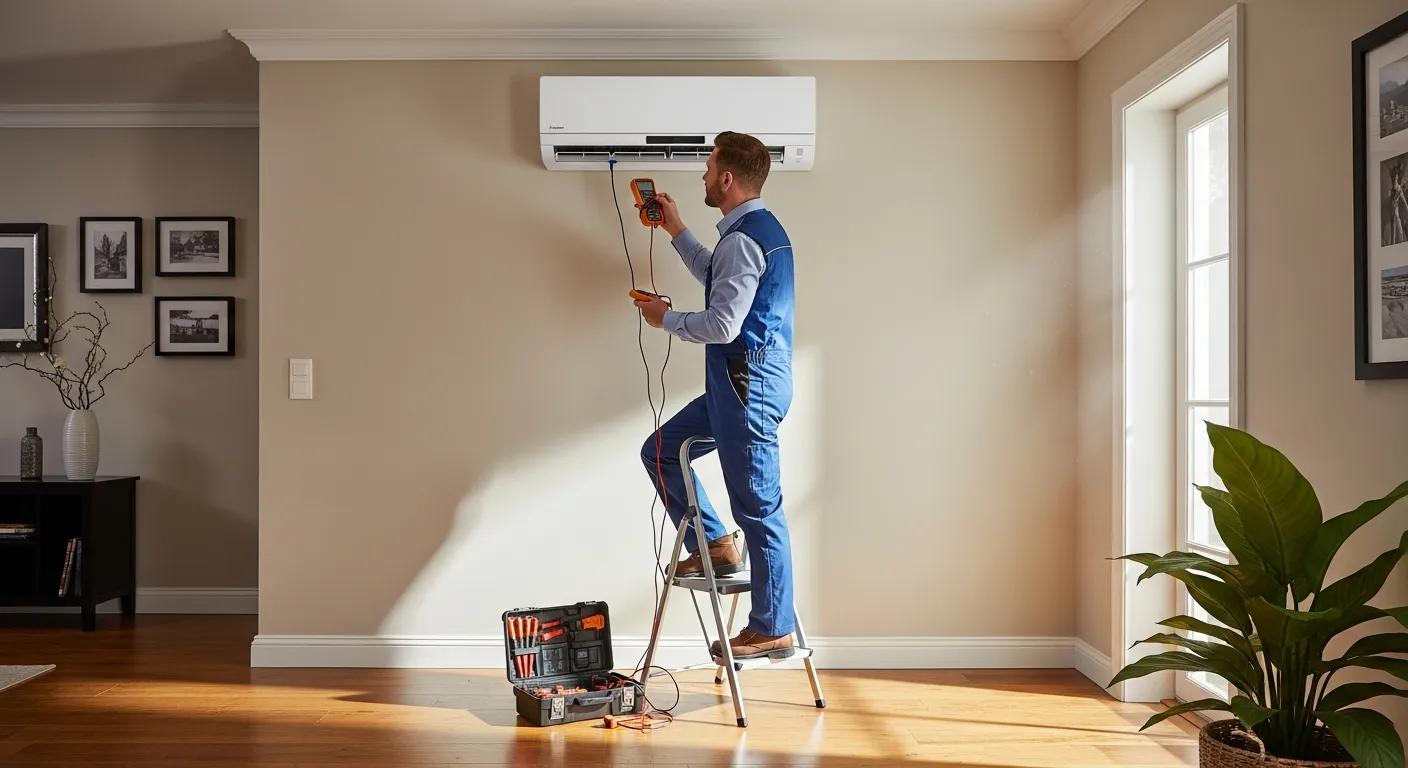
In Albuquerque, repair and maintenance costs vary by issue and model. Typical ranges are:
- Common repairs: $150 to $500 depending on complexity
- Routine maintenance and inspections: $100 to $300
These figures help you budget for expected upkeep and give context when weighing repair versus replacement.
What are typical repair costs for Mitsubishi mini splits?
Common repair jobs and ballpark costs:
- Refrigerant recharge: $150 – $300
- Compressor replacement: $1,200 – $2,500
- Electrical component repair: $100 – $500
Knowing these ranges helps you plan for likely expenses and make informed choices when service is needed.
How does regular maintenance extend mini split lifespan?
Routine maintenance keeps a mini split running efficiently and reduces wear. Key tasks include:
- Cleaning filters: Clogged filters restrict airflow and force the system to work harder.
- Checking refrigerant levels: Low refrigerant causes inefficiency and stress on components.
- Annual inspections: A professional check can catch small issues before they become costly repairs.
Commit to a simple maintenance schedule and you’ll extend the life and performance of your system.
When should you replace your Mitsubishi mini split system?
Consider replacement if you observe any of the following:
- Age over 15 years: Older systems are less efficient and more prone to failure.
- High repair costs: If a single repair exceeds roughly 50% of a new unit, replacement is often the better investment.
- Energy efficiency gains: Newer models typically deliver better efficiency and lower operating costs.
Weighing these factors will help you decide whether to keep repairing or invest in a modern system.
What are the energy efficiency benefits of new mini split models?
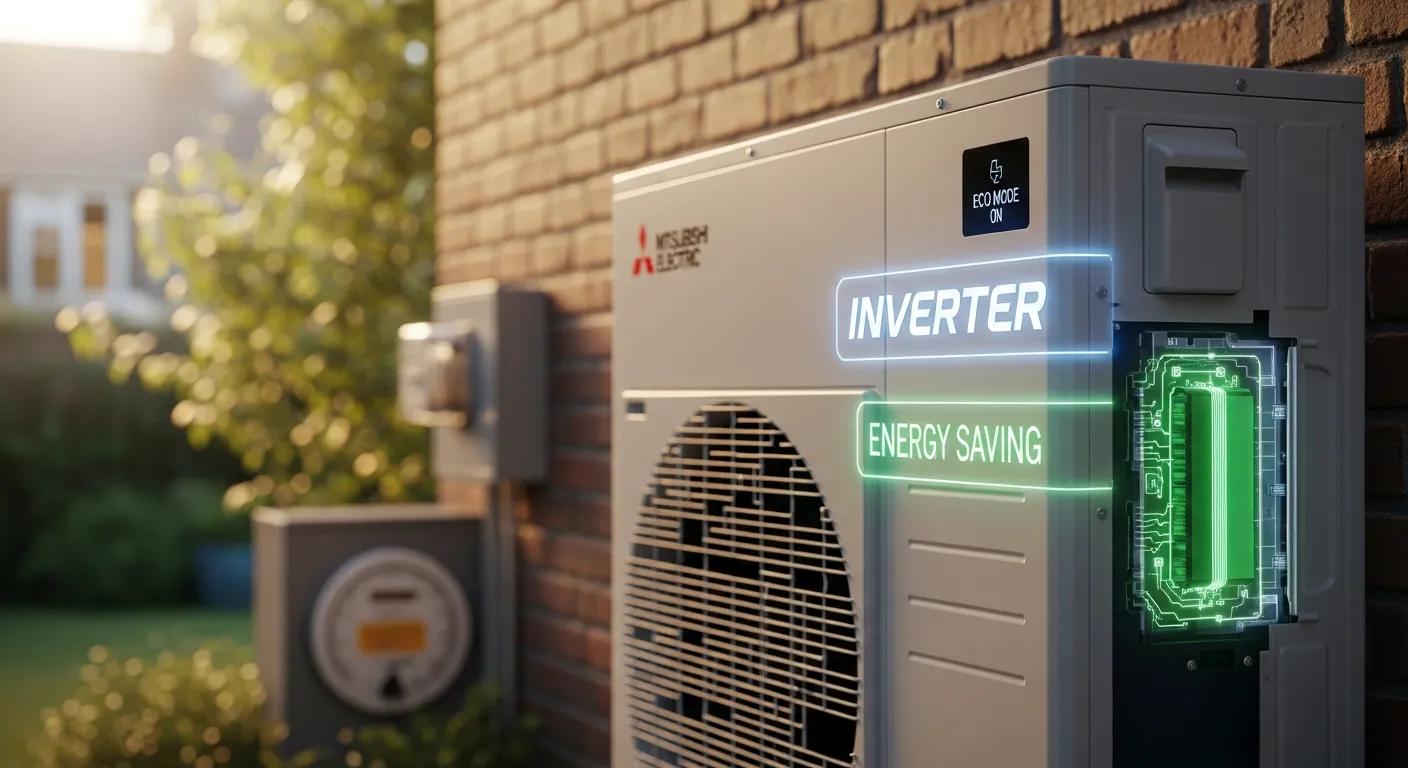
Modern Mitsubishi mini splits bring several efficiency advantages:
- Inverter technology: Adjusts compressor speed to meet demand, which saves energy and reduces wear.
- Zoning capabilities: Heat or cool only the rooms you use, lowering overall energy use.
- Higher SEER ratings: Improved seasonal efficiency translates to lower utility bills over time.
Upgrading can produce meaningful savings and better comfort control.
How to compare repair vs. replacement costs and benefits?
When comparing options, examine:
- Initial costs: Compare the immediate price of repair vs. purchasing and installing a new unit.
- Long‑term savings: Estimate energy savings and reduced repair bills from a newer, more efficient system.
- Warranty and reliability: New systems often include warranties and reduced chance of breakdowns for several years.
Balancing short‑term costs with long‑term savings helps you choose the most economical path.
A full evaluation of upfront costs, operating savings, and warranty coverage gives you the clearest picture of long‑term financial impact.
Economic analysis of mini‑split systems Comparative economic studies use cooling‑load modeling and net present worth methods to assess the lifetime cost and performance of mini‑split and VRF systems under the same operating conditions. AT Layeni, 2019
Why choose Nespolo Mechanical for Mitsubishi mini split repair and replacement in Albuquerque?
Nespolo Mechanical is a locally trusted Mitsubishi Diamond Dealer serving Albuquerque. We combine certified installation expertise with routine maintenance and fast, dependable repairs. Our goal is to keep your system running efficiently and your home comfortable — with clear pricing and workmanship you can rely on.
What local expertise does Nespolo Mechanical offer?
We provide professional installation, scheduled maintenance plans, and certified repairs for Mitsubishi mini split systems. Our technicians stay current with manufacturer best practices so your system is installed and serviced to the highest standards.
To protect other parts of your home and improve overall performance, ask us about water softener options that can reduce mineral buildup and help plumbing last longer: water softener.
How to schedule a free estimate and professional service?
Scheduling service with Nespolo Mechanical is simple:
- Contact us: Call or email to tell us about your system and concerns.
- Share details: Let us know the model, age, and recent problems you’ve seen.
- Book an appointment: We’ll arrange a convenient time for a technician to inspect and provide a free estimate.
For related work like hot water heater replacement, we recommend consulting a professional to ensure proper sizing and installation.
Learn more about Nespolo Mechanical and our commitment to quality service.
Frequently Asked Questions
What maintenance tasks should I perform regularly on my Mitsubishi mini split?
Keep filters clean or replaced every 1–3 months, clear the outdoor unit of debris, and confirm drainage lines are open. Have refrigerant levels checked and schedule a professional inspection at least once a year. These simple steps prevent most common problems and keep efficiency high.
How can I improve the energy efficiency of my existing mini split system?
Improve efficiency by keeping filters and coils clean, ensuring proper refrigerant charge, sealing air leaks in the home, using programmable settings or schedules, and adding insulation where needed. Small steps often yield noticeable savings.
What should I do if my mini split system is making unusual noises?
Unusual sounds can indicate loose parts, a failing fan motor, or a refrigerant issue. If you hear rattling, hissing, grinding, or squealing, turn the system off and contact a qualified technician to diagnose and fix the problem before it causes bigger damage.
Are there any warranties available for Mitsubishi mini split systems?
Mitsubishi systems typically come with manufacturer warranties that often cover parts for several years; some components may have extended coverage when registered. Warranty terms vary by model and installation, so keep your purchase and installation paperwork and confirm coverage with your dealer.
How do I choose the right size mini split system for my home?
Proper sizing requires a load calculation based on room size, ceiling height, insulation, and windows. An HVAC professional can perform this calculation to recommend the correct BTU capacity. Choosing the right size avoids inefficiency and comfort issues associated with undersized or oversized systems.
What are the benefits of zoning with a mini split system?
Zoning lets you control temperatures room‑by‑room so you only heat or cool occupied spaces. This improves comfort, reduces energy use, and can lower utility bills. Zoning also reduces run time and wear on the system compared to conditioning the entire home constantly.
Conclusion
Knowing your Mitsubishi mini split’s typical lifespan and the maintenance tasks that keep it healthy helps you protect comfort and manage costs. Watch for frequent breakdowns, declining efficiency, and aging equipment when deciding between repair and replacement. Regular maintenance and timely upgrades improve performance and save money over time. If you need help evaluating or servicing your system, contact Nespolo Mechanical for expert advice and reliable service in Albuquerque. For reliable mini‑split service and HVAC work across Albuquerque, Nespolo Mechanical is ready to help.