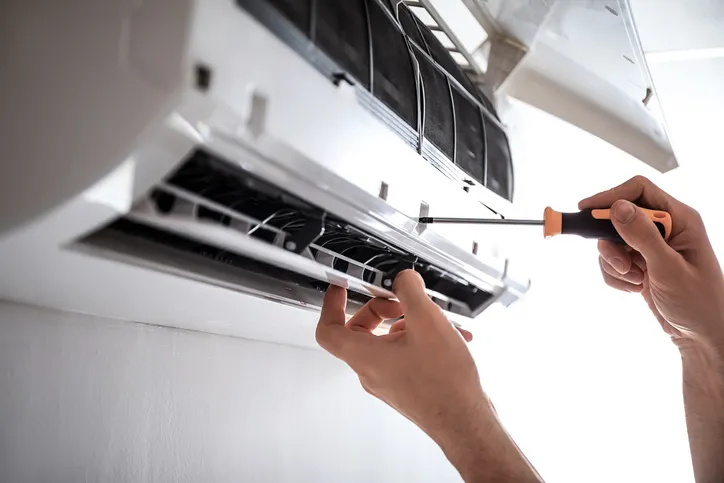
Mitsubishi mini splits are well known for efficient, quiet cooling — but when something goes wrong, it’s not always clear whether you can fix it yourself. This guide walks you through common faults, practical troubleshooting steps, and when it’s smarter to call a trained technician. Read on to learn how to diagnose problems, interpret error codes, try safe DIY fixes, and decide the best path forward for your system.
How can you diagnose common Mitsubishi mini split problems?
Diagnosing a mini split starts with the symptoms. Look for odd noises, uneven temperatures, or error codes on the display. Basic checks — like confirming power, testing the remote, and inspecting visible components — often reveal the cause. Error codes are especially useful because they point you to specific areas to inspect or to share with a technician for faster diagnosis.
What are the most frequent mini split AC issues and symptoms?
Spotting common problems early saves time and money. Typical issues include:
- Inconsistent cooling: May signal low refrigerant or a failing compressor.
- Unusual noises: Grinding, rattling, or hissing often point to mechanical wear or refrigerant issues.
- Error codes: These display specific faults, from sensor errors to communication faults between indoor and outdoor units.
Addressing these signs quickly can prevent bigger repairs down the road.
How do Mitsubishi mini split error codes help in troubleshooting?
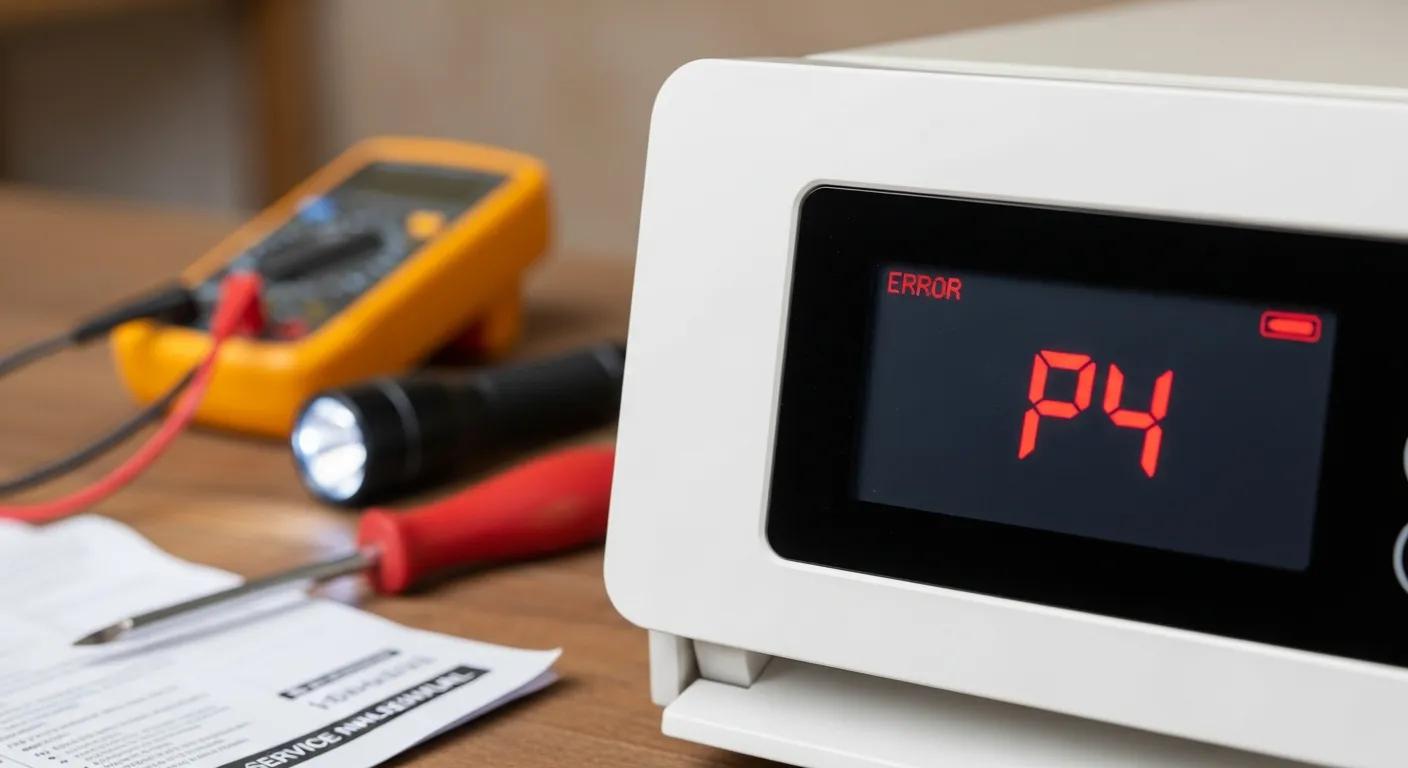
Mitsubishi units show error codes that narrow down probable causes. Common examples include:
- E1: Indoor unit communication error
- E2: Outdoor unit communication error
- E3: Temperature sensor failure
Knowing the code meaning helps you decide whether a simple reset or a technician visit is needed.
Beyond basic error codes, Mitsubishi Electric notes advanced diagnostic features available for their systems.
Mitsubishi Mini Split— Remote Diagnostics & Maintenance
Diagnostic data and sensor status can be monitored remotely from graphic operation terminals (GOTs) and PCs, helping reduce how often on-site maintenance is required. Mitsubishi Electric, 2020
What are the step-by-step DIY repair and maintenance tips for mini split ACs?
A consistent, careful approach keeps your unit running and reduces service calls. Start with these basic tasks:
- Regular cleaning: Wash or replace filters and clear dust from coils to maintain airflow.
- Check refrigerant levels: Low refrigerant lowers performance — but handling refrigerant often requires a licensed tech.
- Inspect electrical connections: Look for loose terminals, discoloration, or signs of wear.
These steps extend equipment life and improve efficiency when done routinely.
Mitsubishi Electric emphasizes customer maintenance and energy management as part of their product approach.
Mitsubishi — Customer Maintenance & Energy Management
We support customer maintenance tasks and will continue developing products that contribute to customers’ energy management and maintenance. Mitsubishi Electric, 2020
How to fix a mini split AC: essential tools and safety precautions
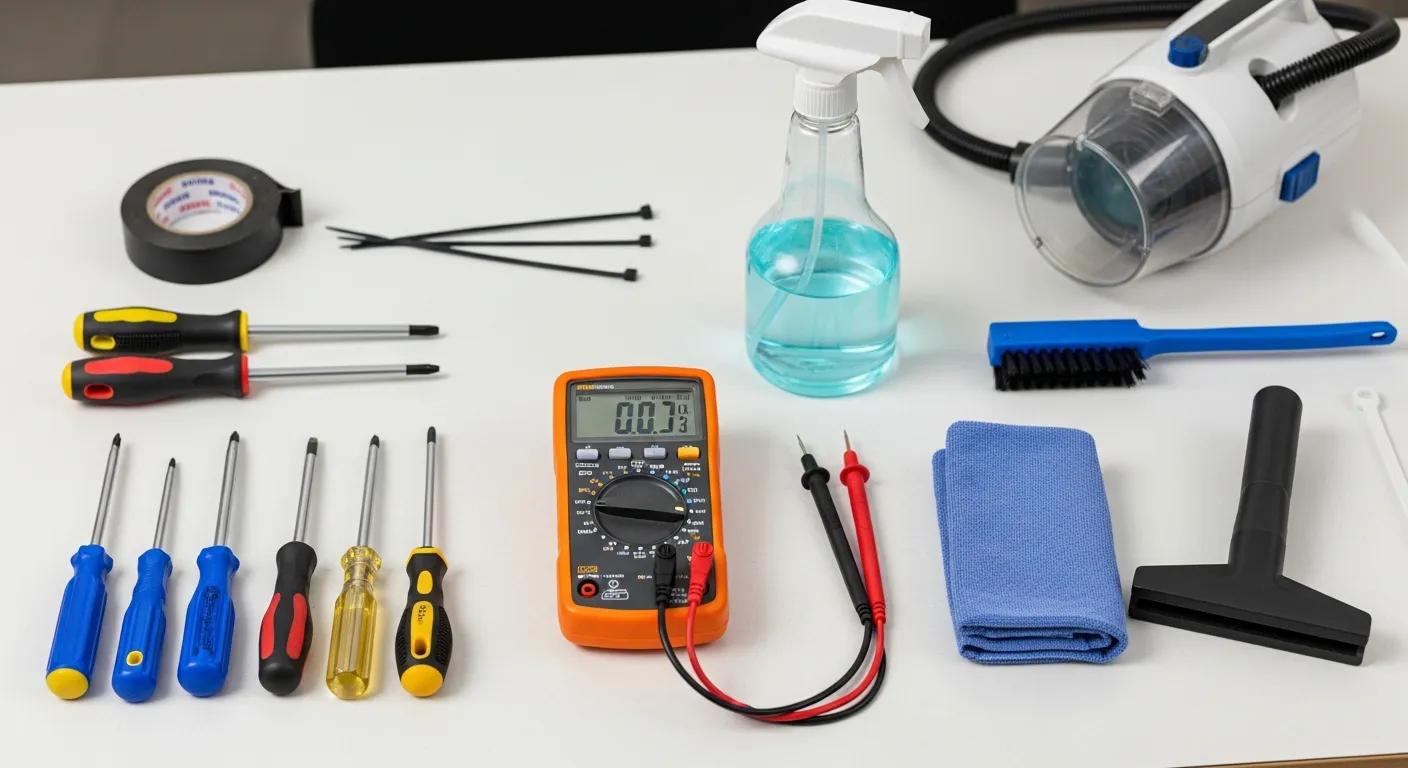
Before you start any work, gather the right tools and follow safety steps. Useful tools include:
- Screwdrivers: For removing panels and securing fasteners.
- Multimeter: To verify power, continuity, and electrical faults.
- Vacuum pump: Needed if refrigerant recovery or evacuation is required (typically handled by pros).
Always cut power at the breaker before touching electrical parts and wear eye and hand protection to reduce injury risk.
What are the basic DIY repair steps for common mini split issues?
Many minor issues can be resolved safely at home if you follow a clear process:
- Identify the problem: Use symptoms and error codes to narrow down causes.
- Turn off power: Isolate the unit at the breaker before any inspection or repair.
- Perform the repair: Replace filters, tighten connections, or reset the unit as appropriate.
If a problem persists or you encounter refrigerant or electrical risks, call a qualified technician.
When should you call a professional HVAC technician for mini split repair?
Some issues should prompt a technician visit. Look for:
- Persistent error codes: Codes that return after resets usually mean deeper faults.
- Refrigerant leaks: These require licensed handling and tools.
- Electrical problems: Burnt wires, repeated breaker trips, or exposed wiring need expert attention.
Certified technicians can safely diagnose, repair, and test the system to restore reliable operation.
What are the signs that require professional Mitsubishi mini split repair?
When these signs appear, schedule professional service:
- Frequent breakdowns: Repeated fixes suggest a root cause that needs a full assessment.
- High energy bills: Sudden spikes often point to inefficiency or failing components.
- Unusual odors: Burning smells or musty air can indicate electrical faults or mold and should be inspected right away.
Tackling these early helps avoid bigger repairs later.
What risks are involved in DIY refrigerant leak repair and compressor issues?
Handling refrigerant and compressors carries real risks:
- Health hazards: Refrigerants can irritate or harm if inhaled or mishandled.
- Legal and environmental rules: Refrigerant work often requires certification and proper disposal to meet regulations.
- Potential for greater damage: Incorrect repairs can worsen leaks or damage the compressor, increasing repair costs.
For these reasons, refrigerant and major compressor work are usually best left to licensed professionals.
How much does Mitsubishi mini split repair cost and what are the benefits of professional service?
Repair costs vary by issue and region. Typical service calls and moderate repairs often fall between $150 and $500, but complex work can cost more. Hiring a pro delivers value in several ways:
- Expert diagnosis: Technicians find root causes faster, reducing repeat visits.
- Warranty protection: Certified repairs often preserve manufacturer or warranty coverage.
- Long-term savings: Proper repairs and parts extend system life and reduce future failures.
What factors influence mini split repair pricing?
Price depends on several variables:
- Type of repair: Simple fixes cost less than compressor or refrigerant work.
- Location: Labor rates and travel can change the final bill by area.
- Parts required: OEM or specialty parts add to the total cost.
Knowing these factors helps you budget and compare service options.
Why choose professional repair services from local experts like Nespolo Mechanical?
Local specialists such as Nespolo Mechanical offer clear benefits:
- Trained technicians: Technicians are familiar with brand-specific systems and common faults.
- Genuine parts: Using OEM components helps maintain performance and reliability.
- Customer-focused service: Local companies often prioritize quick response, clear communication, and satisfaction.
Choosing a trusted local provider reduces risk and helps ensure a lasting repair.
How can regular maintenance improve energy efficiency and longevity of your mini split?
Consistent maintenance keeps systems efficient and durable. Key tasks include:
- Cleaning filters: Clean filters preserve airflow and efficiency.
- Checking refrigerant levels: Proper charge keeps performance steady.
- Annual inspections: Professional checks catch wear before it becomes a failure.
These steps deliver measurable energy savings and longer equipment life.
What mini split maintenance tips help prevent costly repairs?
Preventative steps that cut repair risk include:
- Schedule regular professional inspections: Annual tune-ups find small problems early.
- Keep the outdoor unit clear: Remove leaves, debris, and obstructions to maintain airflow.
- Monitor performance: Note changes in temperature, sounds, or runtime and address them quickly.
Small, regular actions often avoid big, unexpected bills.
How do 2026 refrigerant regulations impact mini split service and repair?
New refrigerant rules coming in 2026 will affect how systems are serviced. The regulations phase out certain refrigerants, which means technicians must adopt new refrigerant types and updated service practices. Homeowners may see changes in service availability, replacement parts, and potentially the cost or process for major refrigerant-related repairs.
| Issue | Symptoms | Recommended Action |
|---|---|---|
| Inconsistent Cooling | Fluctuating temperatures | Check refrigerant levels |
| Unusual Noises | Grinding or hissing sounds | Inspect for mechanical issues |
| Error Codes | Displayed on unit | Refer to manual for troubleshooting |
This table summarizes common issues, their symptoms, and recommended actions — a quick reference to help you decide next steps.
With a basic understanding of these topics, you can confidently choose between a DIY fix and professional service. Regular maintenance and timely repairs help your Mitsubishi mini split run efficiently for years.
If you’re also planning a hot water heater replacement, Nespolo Mechanical provides full-service replacements.
To protect appliances from scale and extend their life, consider a water softener. For all HVAC needs, Nespolo Mechanical is available to help.
Frequently Asked Questions
What are the benefits of regular maintenance for a Mitsubishi mini split?
Regular maintenance keeps your system efficient, lowers energy use, and helps prevent costly failures. Routine tasks — cleaning filters, checking refrigerant, and annual professional inspections — improve reliability and extend equipment life. In short: fewer surprises, lower bills, and steadier comfort year-round.
How can I tell if my mini split needs professional service?
Call a technician if error codes persist after basic resets, if you hear unusual grinding or hissing, or if performance drops noticeably. Frequent breakdowns, rising energy bills, or strange smells are also strong signs that professional diagnosis and repair are needed.
What tools are essential for DIY mini split repairs?
For basic, safe DIY tasks, keep these on hand: screwdrivers for panels, a multimeter for electrical checks, and basic hand tools like pliers and wrenches. A vacuum pump is required for refrigerant work and is generally used by certified technicians. Always disconnect power and use protective gear before starting any work.
What should I do if I encounter a refrigerant leak?
If you suspect a refrigerant leak, shut the unit off to limit damage and exposure. Do not try to repair the leak yourself — refrigerant handling needs certified training and equipment. Contact a licensed HVAC pro to locate the leak, repair the system, and recharge refrigerant in compliance with regulations.
How do I reset my Mitsubishi mini split after troubleshooting?
To reset the unit, turn off power at the circuit breaker or unplug the system, wait about five minutes, then restore power. After the restart, check if error codes cleared and observe operation. If problems continue, further troubleshooting or professional service may be necessary.
What are the common mistakes to avoid when repairing a mini split?
Avoid skipping safety steps, such as failing to cut power before work. Don’t misdiagnose and replace parts unnecessarily, and don’t use incorrect tools or non‑OEM components. Finally, avoid attempting refrigerant or complex electrical repairs without proper certification — those can worsen damage or violate regulations.
Conclusion
Knowing how Mitsubishi mini splits behave and when to act helps you protect comfort and avoid costly failures. Do simple maintenance yourself, use error codes to guide basic troubleshooting, and call a qualified technician for refrigerant, compressor, or electrical issues. For trusted local service, consider contacting professionals like Nespolo Mechanical to keep your system running reliably.