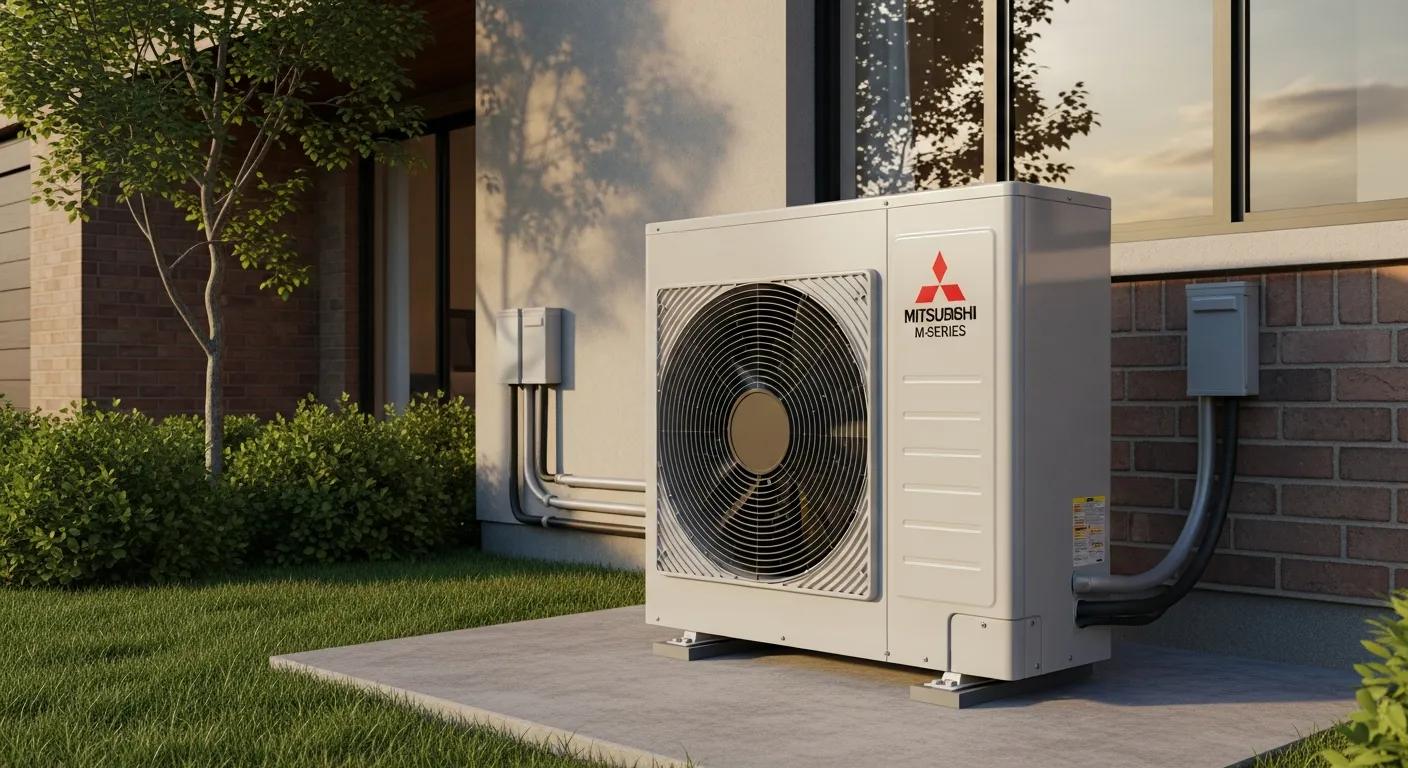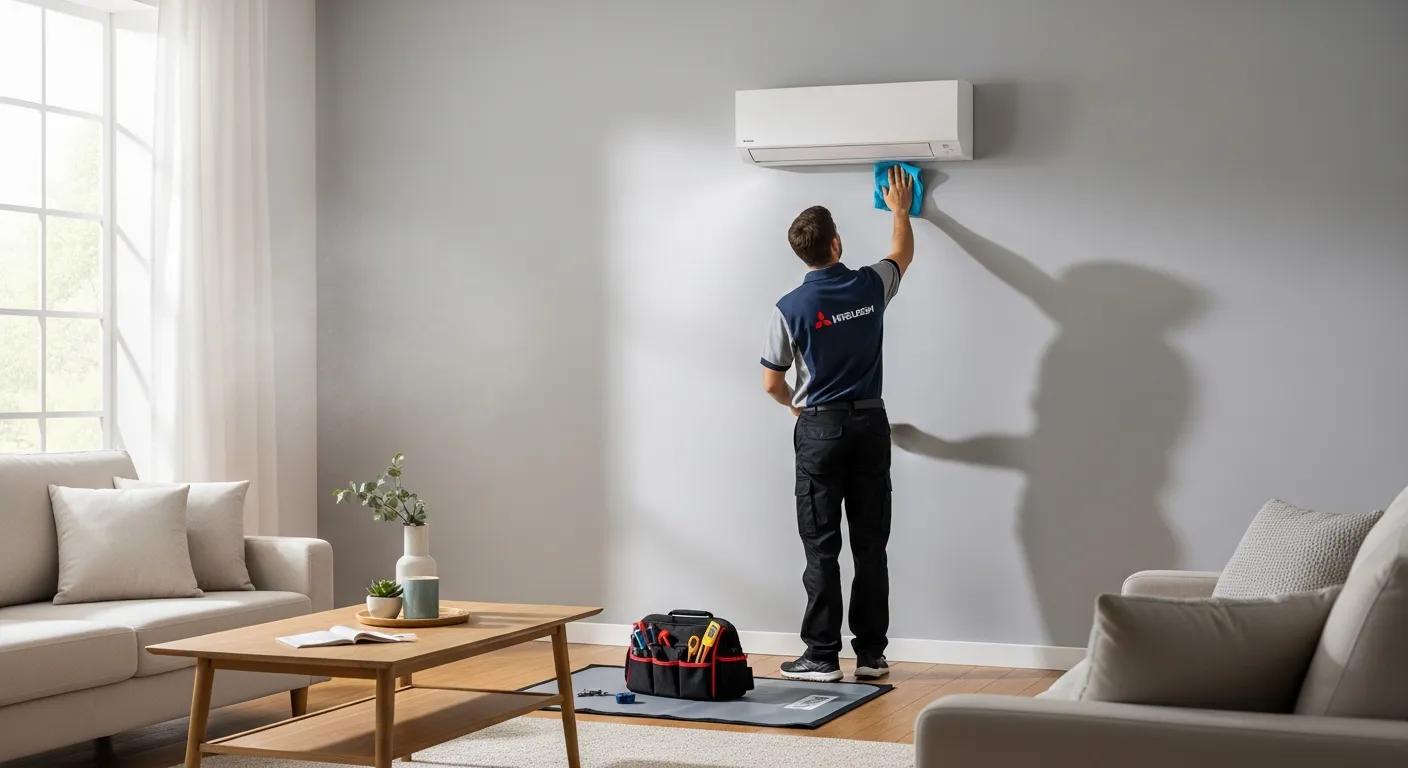
When your Mitsubishi mini split turns on but doesn’t produce cold air, it’s frustrating—and often avoidable. This guide walks you through the most common causes, how to diagnose them, and practical repair or maintenance steps you can take. You’ll learn to spot compressor and refrigerant problems, check fan and airflow issues, and follow prevention tips so your system runs reliably.
Research highlights the value of routine troubleshooting and targeted maintenance for residential air-cooled split units.
Residential Split AC Trouble shooting & Maintenance
This study looks at common problems with residential air-cooled split units, outlines practical maintenance steps tied to likely causes, and evaluates which maintenance actions matter most for home installations. Problem Perceived in Residential House Regarding Air Cooled Split Unit Air-Conditioning, MSS Mustafa, 2023
Why does my Mitsubishi mini split turn on but not cool?
If the unit runs but fails to cool, several issues could be at work. The most frequent culprits are low refrigerant from leaks, compressor faults that stop proper refrigerant circulation, or control/thermostat problems. Early diagnosis helps avoid bigger repairs and restores comfort faster.
Common causes of mini split cooling failure
Identifying likely causes narrows your troubleshooting and saves time. Typical issues include:
- Refrigerant leaks: Low refrigerant reduces cooling capacity and can cause icing.
- Compressor problems: If the compressor can’t run or compress refrigerant correctly, the system won’t cool.
- Thermostat or control errors: Wrong settings or faulty controls can prevent the unit from entering cooling mode.
Spotting which of these applies will guide your next steps.
How compressor and refrigerant problems affect cooling
The compressor and refrigerant form the system’s cooling loop. The compressor pressurizes and moves refrigerant so it can absorb and release heat. Low refrigerant (usually from leaks) or a failing compressor interrupts this cycle, so the unit runs but doesn’t remove heat from your room.
Diagnosing and troubleshooting compressor problems
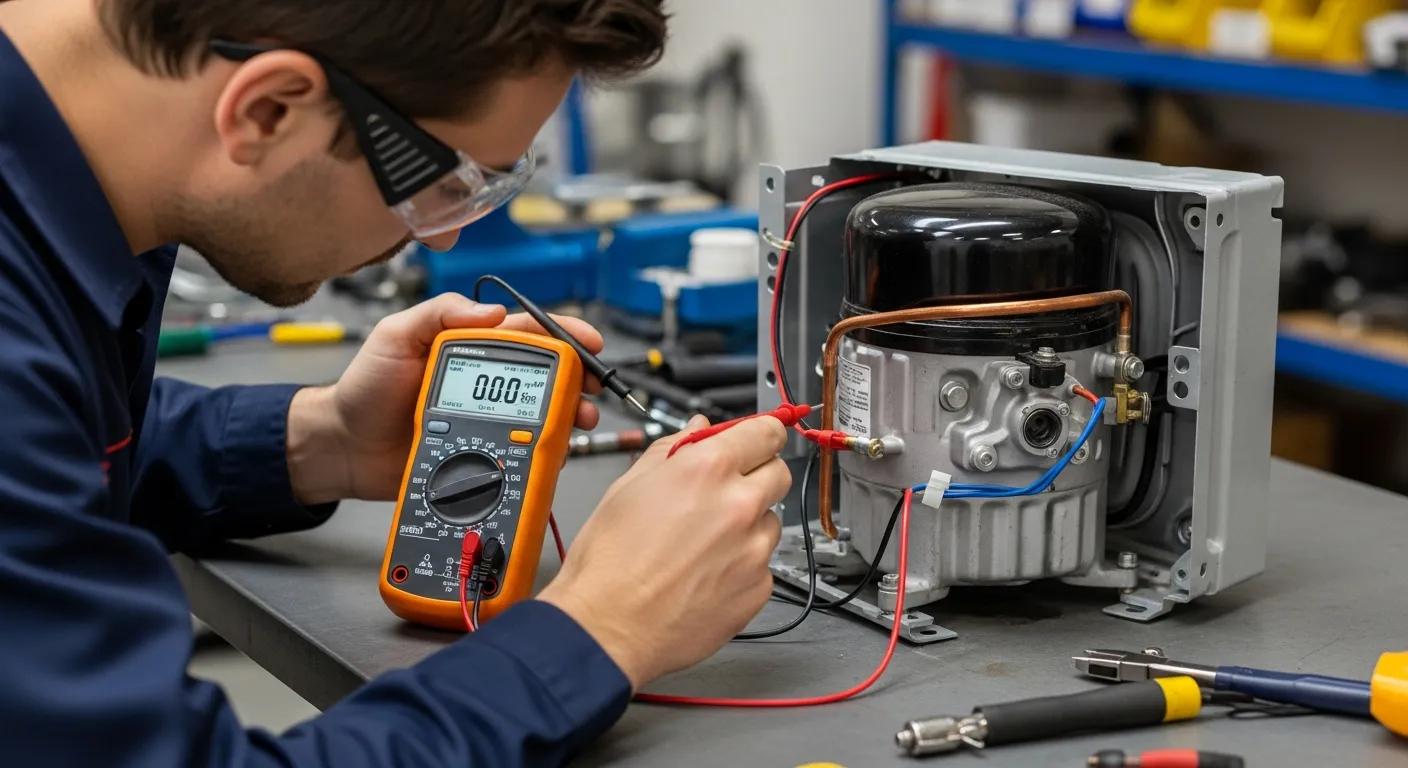
Follow these steps to check the compressor safely and systematically:
- Verify power: Confirm the unit has power and the breaker hasn’t tripped.
- Listen closely: Abnormal sounds—grinding, clanking, or humming—can point to mechanical or electrical trouble.
- Electrical checks: Use a multimeter to test for continuity and proper voltage at the compressor terminals.
If testing shows a fault, replacement or professional repair is often required for the compressor.
Signs of a failing mini split compressor
Watch for these red flags:
- Unusual noises: Grinding, knocking, or loud humming suggest internal issues.
- Variable or weak cooling: The system struggles to hold set temperatures.
- Frequent on/off cycling: Rapid cycling can indicate compressor or control problems.
Addressing these signs early reduces the risk of a complete system failure.
How to test and repair the compressor
Basic checks and next steps:
- Multimeter tests: Check motor windings for continuity and correct resistance.
- Inspect wiring and contactors: Look for burn marks, loose connections, or damaged insulation.
- Call a professional: Compressor work often requires certified HVAC technicians due to refrigerant handling and heavy components.
When in doubt, get a technician—repairs done correctly protect the rest of the system.
Finding and fixing refrigerant leaks in Mitsubishi mini splits
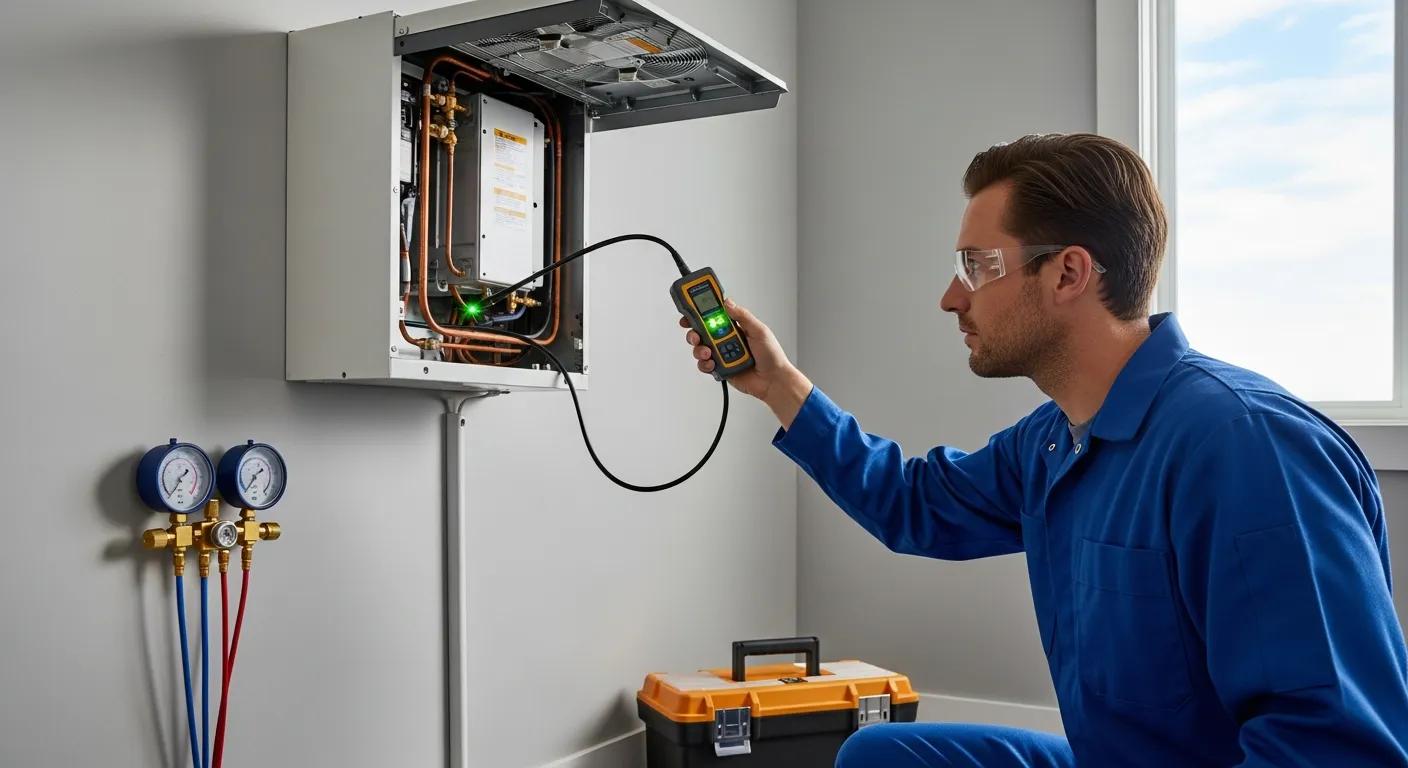
Refrigerant leaks reduce cooling and can damage components over time. Here’s a practical approach:
- Search for visible signs: Look for oily residue or corrosion around fittings and piping.
- Use a leak detector: Electronic or fluorescent dye methods pinpoint leaks more accurately than a visual check.
- Repair and recharge: Seal or replace the leaking part, then have a certified technician reclaim and recharge the refrigerant to spec.
Prompt repairs maintain performance and prevent long-term damage.
Symptoms of refrigerant leaks
Common indicators include:
- Weaker cooling: The unit runs but struggles to reach set temperatures.
- Ice on the indoor coil: Frost or ice suggests low refrigerant and poor heat exchange.
- Hissing sounds: Audible leaks are sometimes detectable near connections.
These signs warrant a leak search and professional service.
Step-by-step leak detection and repair
Practical detection and repair steps:
- Visual inspection: Scan coils, connections, and service valves for oil or damage.
- Soapy-water test: Apply soapy water to suspected spots; bubbles indicate a leak.
- Professional repair: Have a licensed HVAC tech fix the leak, pressure-test the system, and recharge refrigerant properly.
Certified handling ensures safe, lasting repair and regulatory compliance.
Troubleshooting fan operation when no cold air comes out
If the fan runs but air isn’t cold, check these areas first:
- Fan performance: Ensure the fan spins freely and runs at the correct speed.
- Airflow obstructions: Clogged filters or blocked indoor grilles reduce cooling delivery.
- Control settings: Confirm the thermostat or remote is set to cooling and the correct temperature.
Resolving airflow and control issues often restores cooling without major repairs.
Why does the fan run but no cold air follow?
Possible reasons include:
- Low refrigerant: Not enough refrigerant to absorb heat, so air stays warm.
- Compressor not working: The compressor must move refrigerant for the system to cool.
- Thermostat or control errors: Incorrect mode or a faulty sensor can keep the unit from cooling.
Understanding the cause points you to the right fix.
Inspecting and repairing fan and airflow components
What to check and how to fix it:
- Clean fan blades: Remove dust and debris that reduce airflow.
- Inspect ducting and vents: Look for blockages, kinks, or closed vents inside the space.
- Replace or clean filters: A dirty filter chokes airflow—clean or replace as the manufacturer recommends.
These maintenance steps often restore strong, cool airflow quickly.
Maintenance tips to prevent cooling problems
Routine upkeep keeps your mini split efficient and reduces breakdowns. Key practices include:
- Regular inspections: Periodic checks catch small problems before they grow.
- Clean or change filters: Follow the manufacturer’s schedule to maintain airflow.
- Monitor refrigerant: Watch for signs of leaks and address them immediately.
Small, regular actions help your system last longer and run better.
How often should you service your mini split?
A yearly professional service is a good baseline for most systems. Annual inspections catch refrigerant issues, electrical wear, and airflow problems early. In dusty or high-use environments, twice-yearly checks may be worthwhile.
Best maintenance practices for mini splits in Albuquerque
Albuquerque’s climate and dust levels make a few local best practices especially useful:
- Frequent cleaning: Dust builds up faster—clean filters and indoor units more often.
- Keep outdoor units clear: Remove debris and vegetation to ensure proper heat exchange.
- Use local pros: Technicians familiar with the area can recommend climate-appropriate care.
Following these tips helps systems perform well year-round in Albuquerque.
Where to find Mitsubishi mini split repair services in Albuquerque, NM
Look for local HVAC companies experienced with Mitsubishi systems for accurate diagnostics and repairs. Skilled technicians provide safe refrigerant handling, compressor service, and system testing to restore reliable cooling.
Why choose local HVAC experts for mini split repairs?
Local technicians offer advantages that matter:
- Knowledge of local climate: They understand how heat, dust, and altitude affect system performance.
- Faster response times: Local teams can often schedule quicker service visits.
- Mitsubishi-specific experience: Specialists know model-specific quirks and parts.
Working with local pros helps ensure the repair is done right the first time.
How to schedule a free estimate with Nespolo Mechanical?
To book a free estimate with Nespolo Mechanical, follow these steps:
- Call: Dial 505-226-5855 to reach a representative.
- Describe the issue: Share details about your mini split and the symptoms you’re seeing.
- Set an appointment: Arrange a convenient time for a technician visit.
Nespolo Mechanical is a full-service HVAC provider in Albuquerque, NM, offering installation, repair, and maintenance to get your heating and cooling back on track.
For homes with hard water, Nespolo Mechanical installs water softener systems to protect plumbing and appliances.
Learn more about the company and its service standards on the about page.
Frequently Asked Questions
My Mitsubishi mini split is making strange noises—what should I do?
Unusual sounds—grinding, clicking, or rattling—usually point to a mechanical or electrical problem. First, check for visible obstructions around the indoor and outdoor units. If the noise continues, turn the system off and call an HVAC technician to inspect the compressor, fan motor, and mounting hardware before the issue worsens.
How can I improve the efficiency of my Mitsubishi mini split?
Start with regular maintenance: clean or replace filters monthly, keep the outdoor unit clear of debris, and schedule yearly professional tune-ups. A programmable thermostat or proper scheduling can also reduce run time and energy use while keeping your home comfortable.
What are the signs my mini split needs a refrigerant recharge?
Signs include decreased cooling performance, ice buildup on the indoor coil, and hissing noises near refrigerant lines. If the system runs longer than usual without reaching temperature, have a technician check refrigerant levels and inspect for leaks.
Can I repair my mini split myself, or should I hire a professional?
Simple tasks like cleaning filters and clearing debris are fine for homeowners. Anything involving refrigerant, electrical components, or the compressor should be left to licensed HVAC professionals. DIY attempts on those systems risk damage and safety issues.
How do I tell if my thermostat is malfunctioning?
Look for inconsistent temperatures, lack of response when you change settings, or the unit running continuously without reaching the setpoint. A blank or unresponsive display may mean dead batteries or a failed control. If settings are correct but the system still behaves oddly, get a professional assessment.
What routine maintenance can extend my mini split’s life?
Regular tasks include cleaning or replacing filters monthly, keeping the outdoor unit free from leaves and dust, and scheduling annual professional inspections. Monitoring refrigerant and addressing strange sounds early also helps prolong equipment life.
What should I do if my mini split is leaking water?
Water leaks often come from a clogged condensate drain, a failed condensate pump, or improper installation. Start by checking and clearing the drain line; if the leak continues, turn off the system and call a technician to inspect the drain pan, pump, and refrigerant levels.
Conclusion
When a Mitsubishi mini split powers on but won’t cool, clear steps—inspection, basic troubleshooting, and timely maintenance—can often restore performance. For refrigerant or compressor issues, rely on qualified HVAC technicians to ensure safe, lasting repairs. Regular care and local professional support will keep your system efficient and comfortable for years. If you’re considering upgrades, Nespolo Mechanical also handles hot water heater replacement.