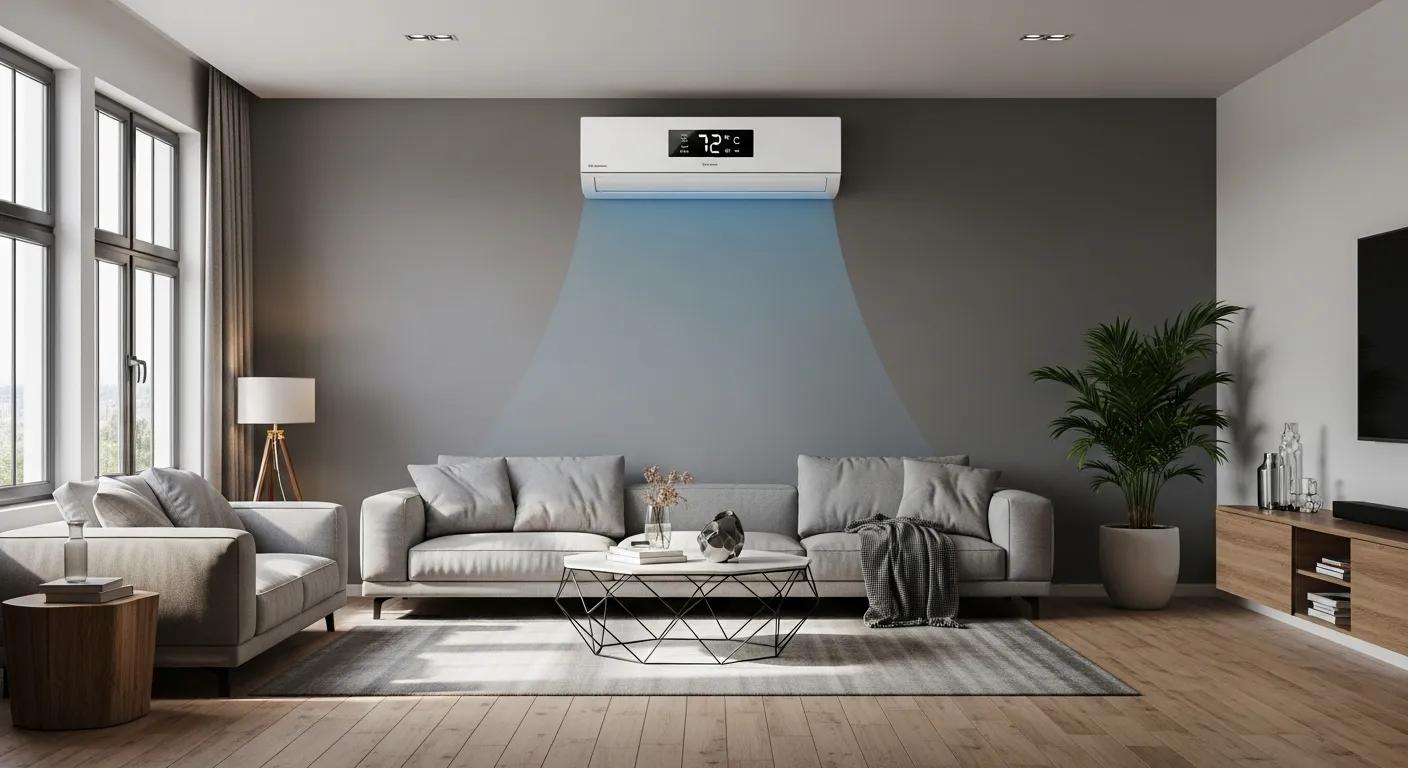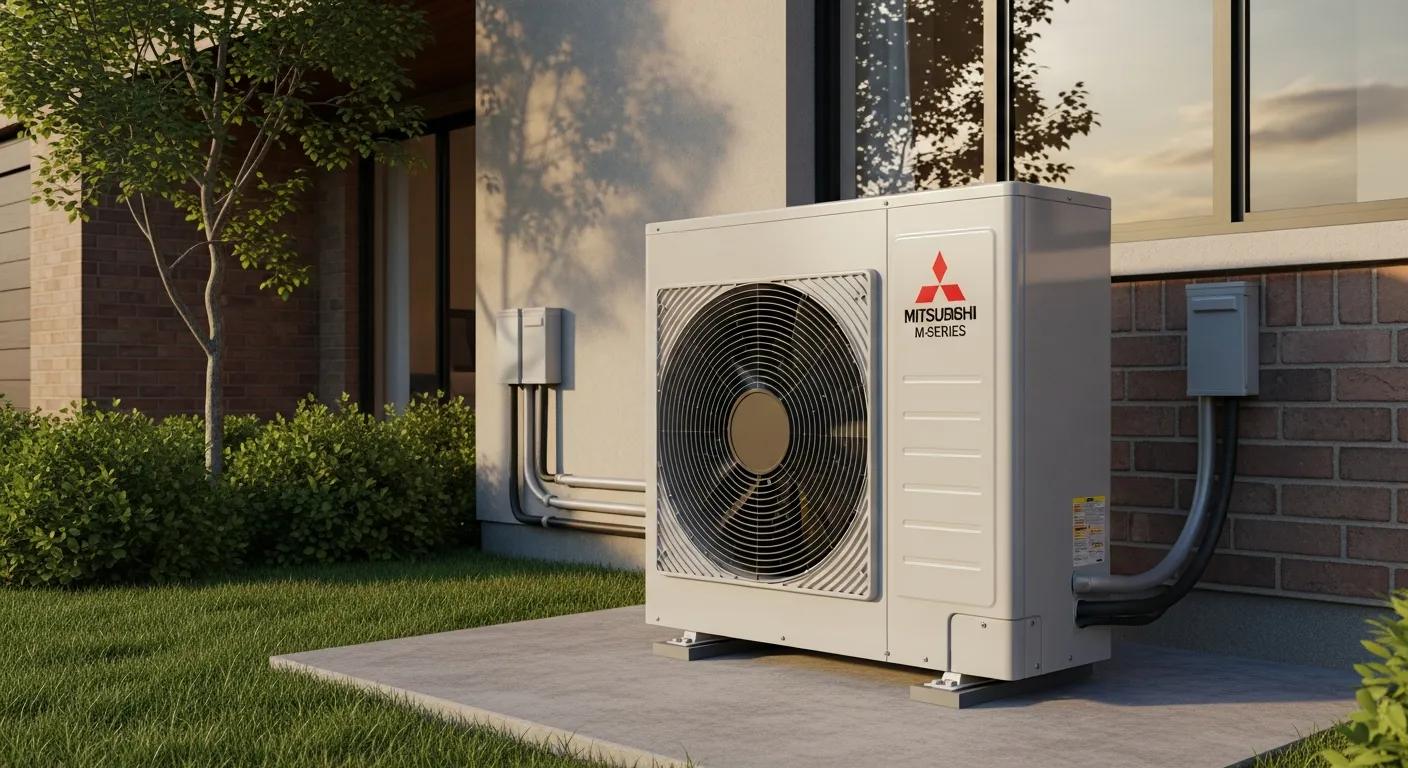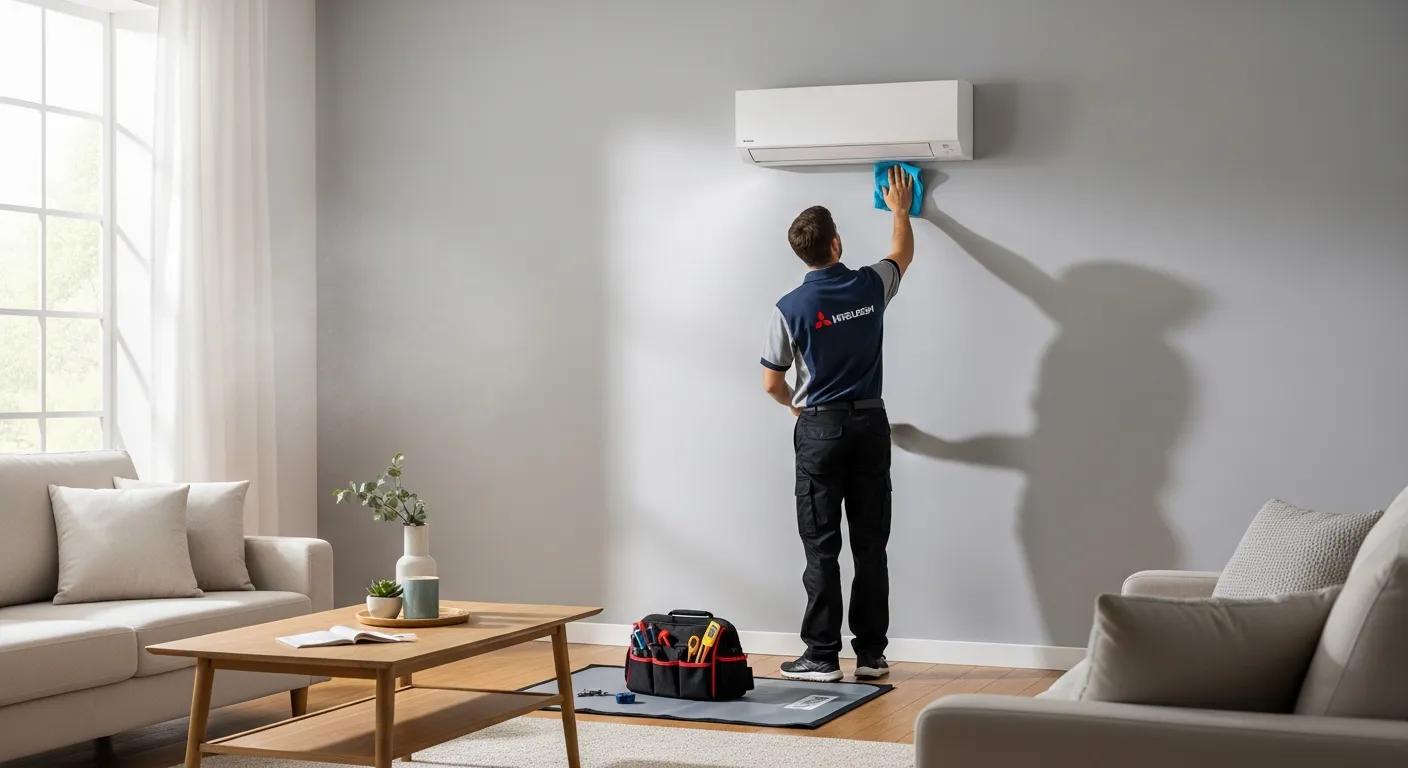
Mitsubishi mini‑split systems are a popular choice for efficient, zoned heating and cooling. When one stops performing, it’s more than inconvenient — it affects comfort and energy use. This guide walks you through the most common causes of warm or weak airflow, how to diagnose problems, steps for safely recharging refrigerant, and when to call a professional. By the end, you’ll know which fixes you can handle and which ones need a licensed technician.
Why Is My Mitsubishi Mini‑Split Blowing Warm Air Instead of Cooling?
If your unit is blowing warm air, several key issues are usually responsible. The most common are low refrigerant, incorrect thermostat settings, and compressor problems. Each of these affects the system’s ability to move heat effectively, so spotting the right cause helps you choose the right fix—and get your space comfortable again.
Common Causes of Warm Air from a Mini‑Split AC
Warm airflow can come from a few predictable failures:
- Refrigerant leaks: Low refrigerant prevents the system from absorbing heat and cooling the room.
- Compressor problems: If the compressor isn’t running or cycling correctly, refrigerant won’t circulate properly.
- Thermostat errors: Wrong mode, temperature, or a faulty control can make the system run incorrectly.
Spotting these early helps avoid bigger repairs and keeps the unit running efficiently.
How to Diagnose and Fix Thermostat and Compressor Issues
Start with the simplest checks: make sure the thermostat is set to cooling, the fan mode is correct, and the temperature is lower than the room. If settings are correct, listen at the outdoor unit for the compressor: it should make a steady hum when running. Look for short cycling, loud clunks, or failure to start—signs the compressor needs a professional inspection. If you’re unsure, a qualified technician can run electrical and pressure tests that accurately diagnose compressor faults.
Nespolo Mechanical offers HVAC service in Albuquerque, NM. Our technicians can diagnose thermostat and compressor faults and recommend the safest, most cost‑effective repair path.
How to Recharge Ductless AC Refrigerant in a Mitsubishi Mini‑Split
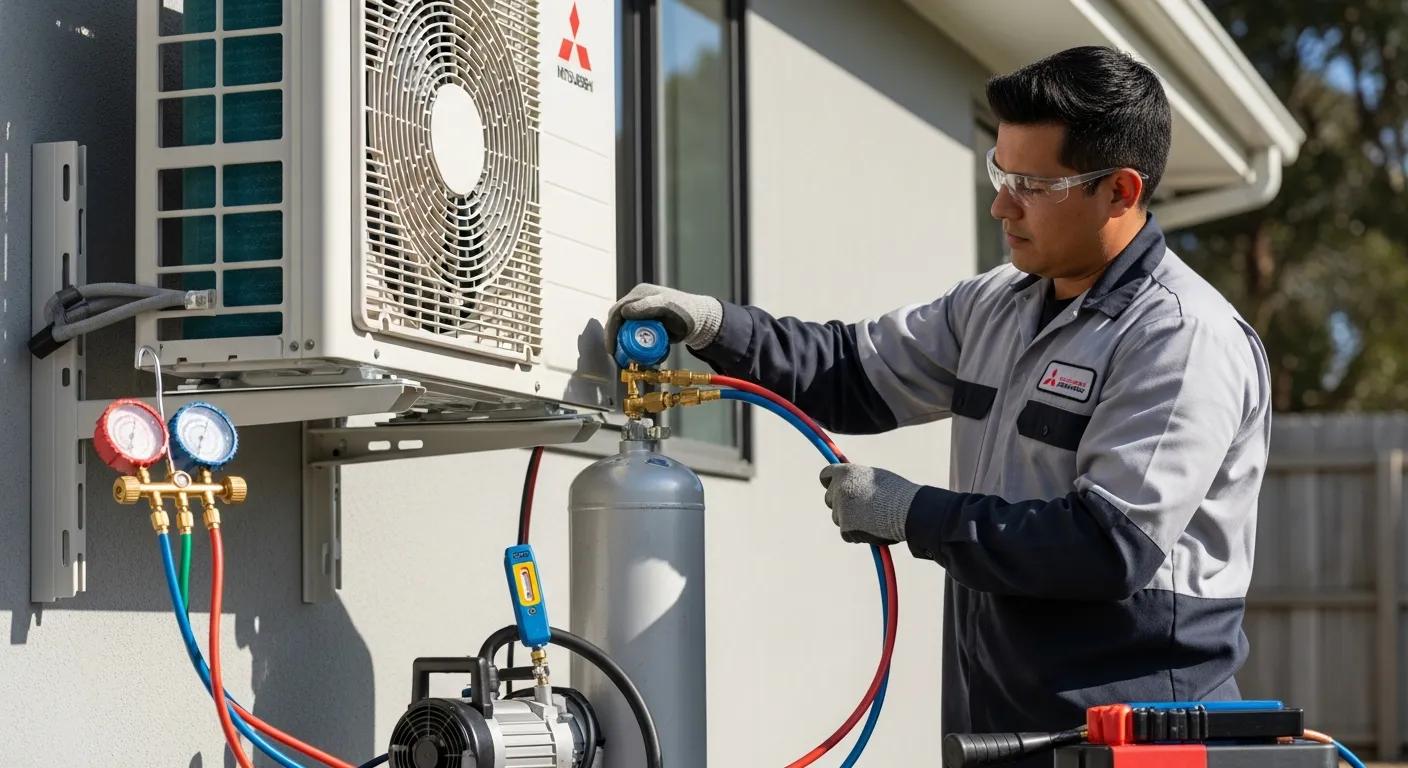
Refilling refrigerant requires the correct type, tools, and safety procedures. Typical Mitsubishi systems use R‑410A, but always check your unit’s spec plate before adding refrigerant. The basic steps are:
- Identify the refrigerant: Confirm the exact type listed on your unit’s nameplate.
- Gather tools: Use a refrigerant manifold gauge set, a vacuum pump, and the correct refrigerant cylinders.
- Connect the gauge: Attach the manifold to the service ports following the manufacturer’s instructions.
- Check pressures: Read the system pressures to determine how much refrigerant is missing.
- Add refrigerant slowly: Charge to the manufacturer’s recommended pressure while monitoring the gauges.
If you haven’t worked with refrigerant before, hire a licensed HVAC tech—refrigerant handling is regulated and requires training and equipment.
When and Why Should You Recharge Mini‑Split Refrigerant?
You should consider recharging the refrigerant when the system exhibits signs of low charge. Common indicators include:
- Poor cooling: The unit struggles to reach set temperatures.
- Ice on coils: Frost or ice on the indoor evaporator is a classic sign of low refrigerant.
- Rising energy costs: Low refrigerant can make the system run longer and use more energy.
Timely repair of leaks and proper recharging restore efficiency and protect the compressor from long‑term damage.
Step‑by‑Step: How to Recharge Mini‑Split Refrigerant Safely
Follow safety and procedural steps when charging refrigerant:
- Wear PPE: Safety glasses and gloves are required when handling refrigerants.
- Power down: Turn off the unit and follow lockout/tagout practices if working on electrical components.
- Attach gauges: Securely hook the manifold and verify connections.
- Introduce refrigerant: Open the valve slowly and add refrigerant while watching the gauges.
- Monitor: Avoid overcharging by continuously checking pressure and system behavior.
- Finish and test: Close valves, remove equipment, restore power, and run the system to confirm proper operation.
If you detect a leak, do not simply recharge—repair the leak and then charge to the correct specification.
What to Do When Your Mitsubishi Heat Pump Is Not Heating Properly
If a Mitsubishi heat pump isn’t producing heat, check for these common causes: low refrigerant, electrical faults (tripped breakers or bad wiring), and incorrect thermostat settings. Start with basic checks and filters; if the unit still won’t heat, it’s time for a technician to test refrigerant pressures, reversing valve operation, and electrical components.
Common Causes of Mitsubishi Heat Pump Heating Failures
The usual culprits behind poor heating are:
- Refrigerant shortages: Insufficient refrigerant prevents the system from moving heat efficiently.
- Electrical issues: Faulty wiring, blown fuses, or failed contactors can stop the system from operating.
- Thermostat or control errors: Incorrect mode or a failing controller can keep the heat pump from switching to heating.
Addressing these quickly reduces the chance of compressor damage or longer outages.
Effective Solutions for Heat Pump Repair and Maintenance
To keep your heat pump working reliably:
- Schedule regular maintenance: Annual inspections catch wear before it becomes a failure.
- Clean or replace filters: Good airflow prevents strain and preserves efficiency.
- Call a pro for major repairs: Refrigerant work and compressor or electrical repairs should be handled by licensed technicians.
Nespolo Mechanical provides full HVAC support in Albuquerque, from routine tune‑ups to complex heat pump repairs.
How to Troubleshoot a Mini‑Split That’s Not Cooling: Essential Checks
If your mini‑split isn’t cooling, run these quick checks first:
- Inspect air filters: Dirty filters block airflow and reduce cooling capacity.
- Check the outdoor unit: Remove debris and ensure the condenser has clear airflow.
- Verify thermostat settings: Confirm the unit is in cool mode and the set temperature is lower than the room.
These steps often reveal simple problems you can fix yourself. If the issue continues, move on to pressure and electrical diagnostics with a professional.
Identifying Refrigerant Leaks and Compressor Faults
Look for these signs of leaks or compressor trouble:
- Hissing sounds: A steady hiss near service lines often points to a refrigerant leak.
- Ice buildup: Frost on the evaporator coil usually indicates low refrigerant or poor airflow.
- Variable cooling: Inconsistent temperatures or long run times can signal a leak or compressor degradation.
If you suspect a leak or suspect the compressor is failing, contact a licensed HVAC technician to test and repair the system safely.
Detecting Refrigerant Leakage in Air Heat Pump Systems
A reliable leak detector makes locating the source straightforward. Once the leak is identified, measure the system’s response and determine the charge loss based on operating behavior before recharging. Study on the Detection Method of Refrigerant Leakage Amount in Air Heat Pump System, 2018
Maintenance Tips to Prevent Cooling Issues in Ductless AC Systems
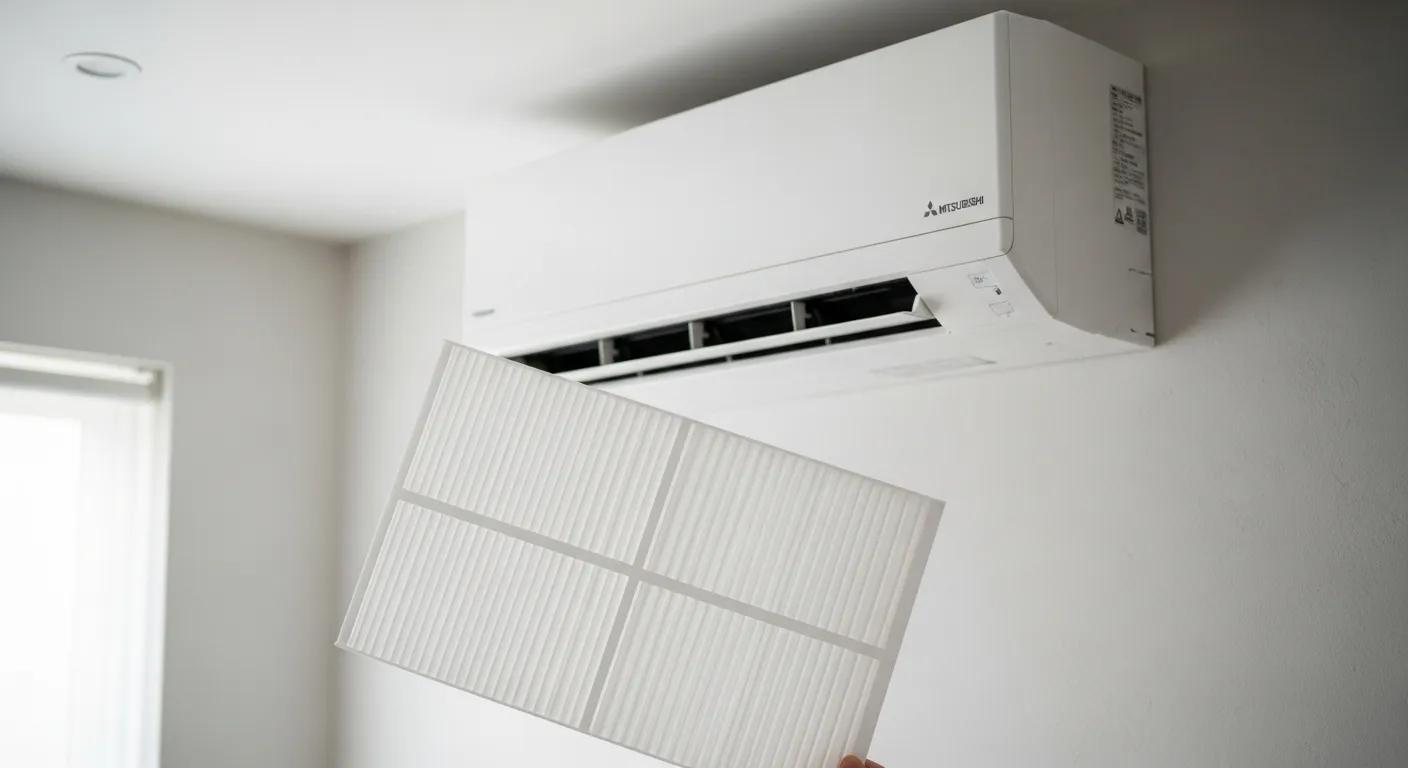
Simple, consistent care keeps ductless systems running well. Try these routines:
- Change or clean filters every 1–3 months: Regular filter care maintains airflow and efficiency.
- Schedule seasonal checkups: Have a technician inspect the system before heavy cooling or heating seasons.
- Use professional maintenance: Annual service catches small issues—like refrigerant loss or electrical wear—before they become big problems.
Regular attention extends equipment life and saves on energy costs.
When Should You Call a Professional for Mitsubishi Mini‑Split Repair?
Call a technician when you notice issues beyond basic troubleshooting, especially:
- Unusual noises: Grinding, banging, or loud rattling suggest mechanical failure.
- Inconsistent temperatures: If the unit can’t maintain a steady setpoint, professional diagnostics are needed.
- Frequent cycling: Short cycling stresses components and often points to electrical or refrigerant problems.
Nespolo Mechanical is available to help Albuquerque homeowners with diagnosis and repairs that require licensed technicians.
Signs That Require Expert HVAC Technician Assistance
These warning signs mean it’s time to call an expert:
- Persistent unusual noises: Grinding or rattling can indicate failing motors or loose internal parts.
- Wide temperature swings: Trouble maintaining set temperatures often points to refrigerant, compressor, or control issues.
- Frequent on/off cycles: Rapid cycling can be symptomatic of electrical faults, control failures, or improper refrigerant levels.
Addressing these early prevents more costly damage and keeps your system safe.
How Nespolo Mechanical Supports Albuquerque Homeowners with Mini‑Split Repairs
Nespolo Mechanical is a full‑service HVAC provider in Albuquerque specializing in ductless mini‑split systems. We handle installation, routine maintenance, leak detection, refrigerant service, and major repairs. Our technicians focus on clear communication, timely response, and fixes that prioritize reliability and efficiency.
Considering a new system? Learn more about Nespolo Mechanical and how we approach installations and service.
Having hot‑water issues too? Find options for hot water heater replacement in Albuquerque to keep your home comfortable.
To improve water quality, explore water softener solutions that reduce scale and protect plumbing and appliances.
Frequently Asked Questions
What are the signs that my Mitsubishi mini‑split needs refrigerant recharging?
Look for poor cooling performance, ice or frost on the indoor coil, and a noticeable jump in energy use. If the unit struggles to reach set temperatures or you see ice buildup, low refrigerant is a likely cause and should be checked by a technician.
How often should I perform maintenance on my Mitsubishi mini‑split system?
At minimum, schedule annual professional maintenance. For best performance, clean or replace filters every 1–3 months and arrange seasonal checkups before heavy cooling or heating periods. Regular service includes filter care, refrigerant level checks, and an outdoor unit inspection.
Can I troubleshoot my Mitsubishi mini‑split system myself?
Yes—start with basic checks: confirm thermostat settings, clean or inspect filters, and clear debris from the outdoor unit. For refrigerant leaks, compressor faults, or electrical diagnostics, hire a licensed technician to avoid risk and ensure proper repair.
What should I do if my mini‑split system is making unusual noises?
If you hear grinding, rattling, or persistent hissing, turn the unit off to prevent damage. Inspect for visible obstructions or loose panels, but for internal mechanical noises or electrical concerns, call a professional to diagnose and fix the issue safely.
How can I improve the efficiency of my Mitsubishi mini‑split system?
Keep filters clean, maintain clear airflow around the outdoor unit, and use sensible thermostat settings. Regular professional inspections catch efficiency problems early. Small steps—like sealing windows and using programmable schedules—also reduce load and improve overall system efficiency.
What are the benefits of hiring a professional for mini‑split repairs?
Professionals bring accurate diagnosis, specialized tools, and knowledge of safety and refrigerant regulations. Proper repairs reduce repeat breakdowns, extend equipment life, and can save money over time by preventing costly component failures.
Conclusion
Knowing how to spot and address common mini‑split problems—like low refrigerant, thermostat errors, and compressor issues—keeps your system running reliably and efficiently. For routine maintenance, leak repairs, or any work involving refrigerant or the compressor, contact a licensed HVAC company. If you need help in Albuquerque, Nespolo Mechanical is ready to diagnose, repair, and maintain your Mitsubishi mini‑split so your home stays comfortable year‑round.