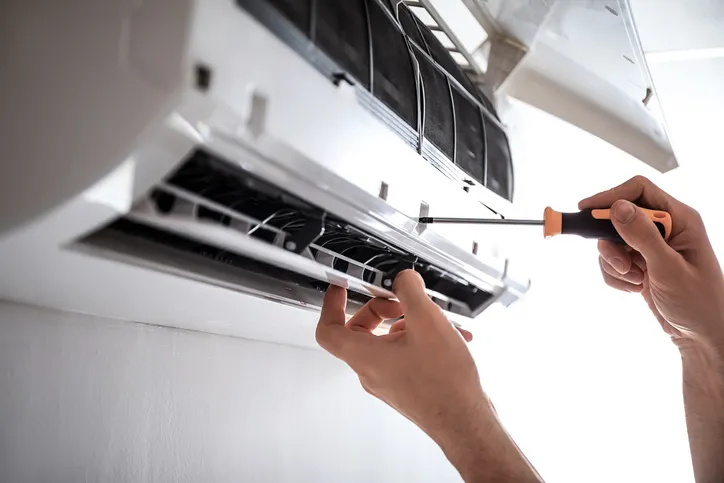
Keeping a Mitsubishi mini split clean and well maintained is one of the easiest ways to protect its performance and extend its life. Routine cleaning improves efficiency, reduces the chance of breakdowns, and saves you money on repairs. This guide walks you through the practical steps — filter care, coil checks, tools you need, and a preventive schedule — plus when it’s time to call a pro and how to use a simple maintenance checklist.
What Are the Key Steps to Clean Mini Split Filters Effectively?
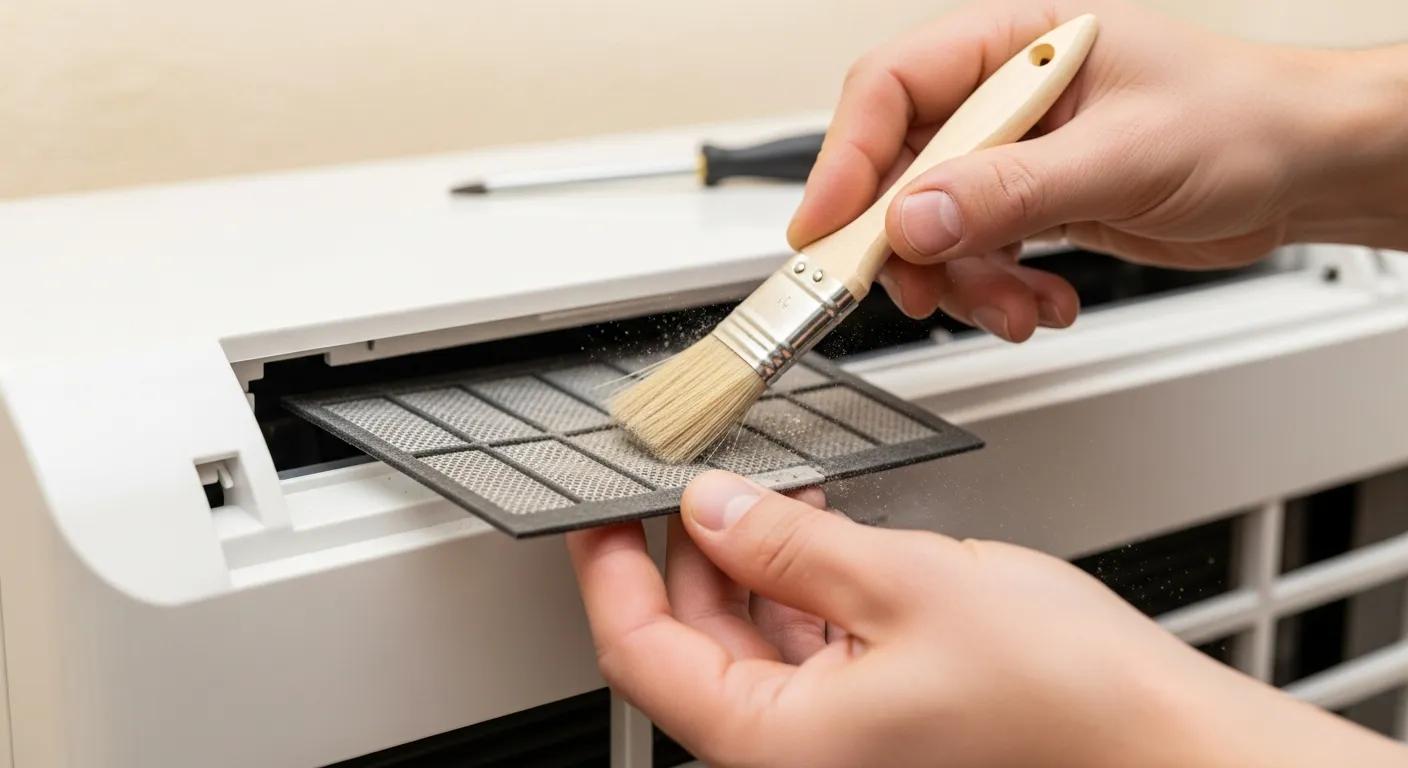
Cleaning the filters is low effort but high impact: it improves air quality and helps the unit run efficiently. The main actions are identifying the filter type, preparing the right tools, and following a consistent cleaning routine.
- Identify the Type of Filter : Confirm whether your mini split uses a washable filter or a disposable one so you use the correct method.
- Gather Necessary Tools : Have a vacuum with a brush attachment, mild detergent, and a soft cloth ready before you start.
- Follow Step-by-Step Cleaning Instructions : Remove the filter, vacuum away loose dust, wash washable filters with a gentle detergent, rinse, and allow them to dry completely before reinstalling.
Doing this regularly keeps airflow strong and helps prevent performance problems down the road.
How Often Should You Clean Mitsubishi Mini Split Filters?
A simple rule: check filters monthly. Your exact schedule depends on how dusty your home is and how often you run the system.
- Monthly Cleaning : For most homes, a monthly inspection and cleaning is enough to keep things flowing.
- Increased Frequency : If you live in a dusty area, have pets, or use the unit constantly, clean the filters every two weeks.
- Neglecting Maintenance : Letting filters go too long reduces airflow, raises energy use, and can lead to system strain or failure.
Sticking to a schedule prevents many common issues and keeps your mini split efficient.
What Tools Are Needed for Mini Split Filter Cleaning?
Having the right tools makes filter care quick and effective. Here’s what you’ll want on hand:
- Vacuum Cleaner : A vacuum with a brush attachment helps lift dust without damaging the filter.
- Mild Detergent : Use a gentle cleaner when washing washable filters to avoid degrading the material.
- Soft Cloth : A microfiber or similarly soft cloth is ideal for wiping housings and trimming edges.
With these simple tools, maintenance becomes faster and safer for your unit.
How Do You Perform Mini Split Coil Cleaning and Inspection?
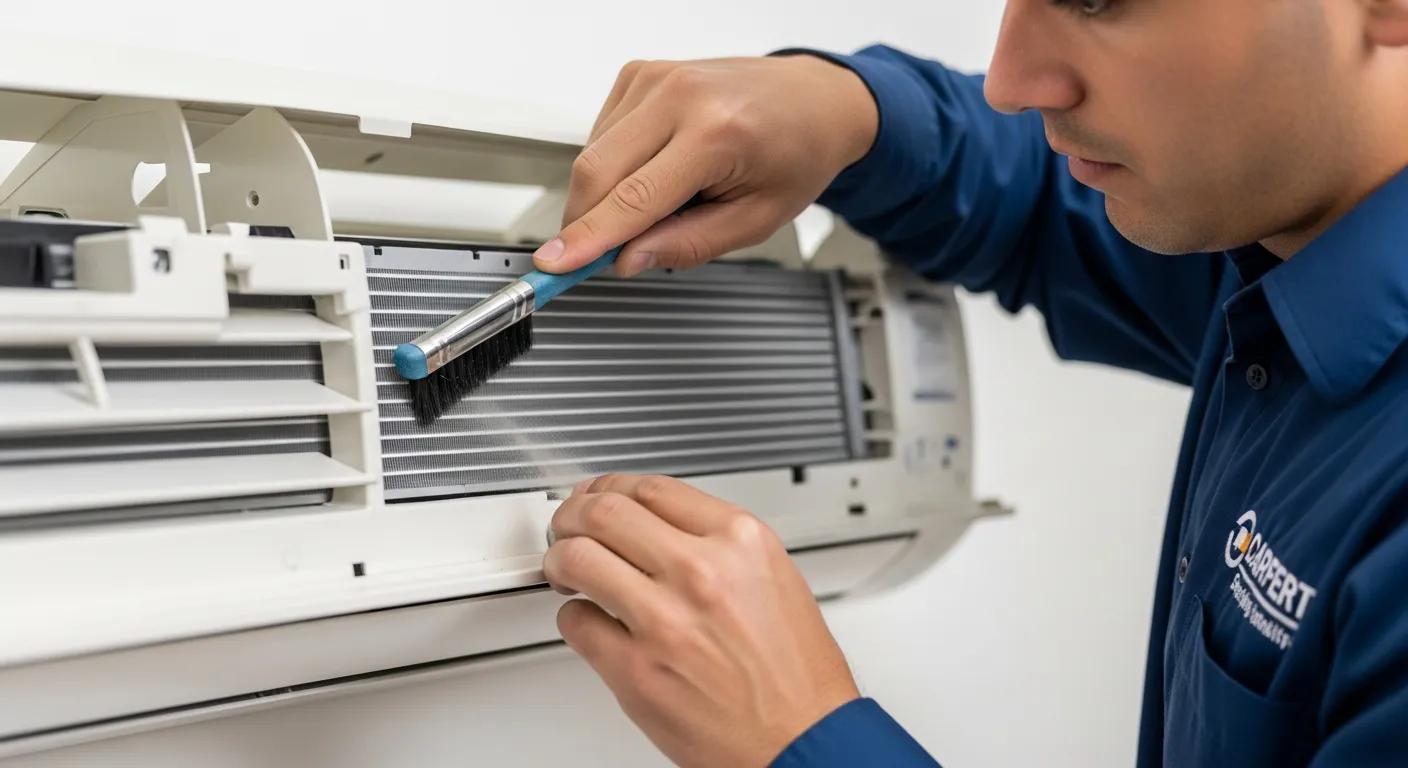
Coils need periodic cleaning and inspection to prevent efficiency loss and overheating. The basic approach is to locate the coils, gather the right supplies, and follow careful cleaning and inspection steps.
- Identify the Coils : Find the evaporator (indoor) and condenser (outdoor) coils before you begin.
- Gather Necessary Tools : Use a soft brush, an approved coil cleaner, and—if appropriate—a gentle rinse (hose) for the outdoor unit.
- Follow Cleaning and Inspection Steps : Brush away loose debris, apply a coil cleaner as directed, rinse clean, and inspect for damage or heavy buildup.
Regular coil care keeps your system running cooler and reduces the risk of failures caused by dirt and restricted airflow.
What Are the Step-by-Step Procedures for Cleaning Mini Split Coils?
Cleaning coils requires care to avoid damage. Follow these steps to do it safely and effectively:
- Turn Off the Power : Always disconnect power at the breaker or the unit’s switch before working on the system.
- Remove the Cover : Open the access panels to reach the coils without forcing any parts.
- Brush the Coils : Gently remove dust with a soft brush—avoid bending fins.
- Apply Coil Cleaner : Use a manufacturer-approved coil cleaner and follow the product instructions.
- Rinse the Coils : Rinse thoroughly where appropriate, taking care not to flood electrical components.
- Reassemble the Unit : Let everything dry, reattach covers, and restore power.
Following these steps preserves coil performance and helps the unit operate efficiently.
Manual coil cleaning works well today, and new automated approaches are emerging to make the task faster, safer, and less labor-intensive.
Automated Coil Cleaning for Safer, Faster HVAC Service
Routine maintenance of ceiling-mounted air-conditioning units is often slow, physically demanding, and wasteful of water; it can also expose workers to chemicals and strain. Recent research describes an automated evaporator coil cleaning system that uses microcontrollers (Arduino), targeted high-pressure nozzles, and electronic controls to reduce manual effort, cut water use, and limit chemical exposure. The proposed solution aims to speed servicing while lowering health risks and resource waste. Smart Automated Evaporator Coil Cleaning System for Ceiling-Mounted Air Conditioning Units, ST Ambujam, 2025
How to Inspect Coils for Damage or Dirt Build-Up?
Regular coil inspections help you spot problems early. Here’s what to look for and how to proceed:
- Look for Signs of Damage : Check for bent fins, corrosion, or visible physical damage that could impair airflow.
- Check for Dirt Build-Up : Inspect for heavy dust, grime, or debris that restricts heat transfer.
- Importance of Regular Inspections : Catching issues early prevents costly repairs and keeps the system efficient.
A routine visual check every few months helps keep coils in good condition and avoids surprises.
What Is the Recommended Ductless AC Maintenance Schedule for Mini Splits?
A simple, predictable schedule keeps your mini split healthy. Consider this cadence as a baseline and adjust based on usage and environment:
- Monthly : Clean or replace filters.
- Quarterly : Inspect coils and clean if needed.
- Bi-Annually : Check refrigerant levels and review electrical connections.
- Annually : Arrange a professional service check to catch anything you might miss.
Following a simple schedule reduces the risk of unexpected repairs and maintains energy efficiency.
Nespolo Mechanical is an Albuquerque-based HVAC company that offers heating, cooling, and home comfort services. If you prefer professional care, their technicians can perform thorough inspections and maintenance to keep your mini split running reliably.
Which Preventive Maintenance Tasks Should Be Scheduled Regularly?
Preventive maintenance stops small problems from becoming big ones. Include these core tasks in your routine:
- Filter Cleaning/Replacement : Keep filters clean to maintain proper airflow.
- Coil Cleaning : Remove dirt and debris from coils to preserve efficiency.
- Drain Line Inspection : Check for clogs so condensate drains properly and avoid water damage.
Regularly scheduling these tasks will help extend your system’s life and reduce emergency repairs.
How Does Regular Maintenance Improve Energy Efficiency and Prevent Repairs?
Routine care directly impacts performance and costs. Here’s how maintenance delivers value:
- Improved Energy Efficiency : Clean filters and coils let air move freely, lowering energy use and bills.
- Prevention of Repairs : Routine checks find wear or faults before they escalate into costly fixes.
- Routine Check-Ups : Regular inspections ensure components operate as designed, sustaining peak performance.
Investing a little time or money in preventive care pays off in lower operating costs and fewer breakdowns.
When Should You Call a Professional for Mini Split Maintenance?
Some issues are best handled by a trained technician. Call a pro when you see any of these signs:
- Signs of Refrigerant Leaks : Reduced cooling or visible frost may signal a refrigerant issue that needs a licensed technician.
- System Not Cooling/Heating Properly : If the unit fails to reach set temperatures, professional diagnostics are recommended.
- Unusual Noises or Odors : Strange sounds or persistent smells can indicate mechanical or electrical problems.
If you notice any of the above, contact Nespolo Mechanical for a full inspection and professional service.
What Are the Signs Your Mini Split Needs Expert Service?
Spotting trouble early saves money. Watch for these common warning signs:
- Inconsistent Temperature : Rooms with different temperatures can mean airflow or refrigerant problems.
- Increased Energy Bills : A sudden rise in costs often points to declining system efficiency.
- Frequent Cycling : If the system turns on and off often, it may need professional adjustment or repair.
Recognizing these symptoms promptly helps you schedule the right service before small issues worsen.
DIY vs Professional Maintenance: When to Contact Nespolo Mechanical?
Knowing what you can do and when to call a pro makes maintenance effective and safe:
- DIY Maintenance : Great for filter cleaning, basic visual checks, and simple cleaning tasks that save money and keep things current.
- Professional Maintenance : Best for complex work like refrigerant service, electrical faults, or any task that requires specialized tools and certification.
For thorough, reliable service and peace of mind, consider reaching out to Nespolo Mechanical for professional maintenance.
How Can You Use a Preventive Maintenance Checklist to Avoid Mini Split Repairs?
A checklist keeps maintenance consistent and trackable. Here’s how to build and use one:
- Creating a Maintenance Schedule : List tasks and frequencies (monthly, quarterly, annual) so nothing is missed.
- Documenting Maintenance Activities : Record dates and actions taken to create a maintenance history.
- Reviewing and Updating Checklists : Revisit your checklist periodically to add items or change frequencies as needed.
A clear checklist helps you keep the system reliable and makes professional service more efficient.
What Items Should Be Included in a Mini Split Preventive Maintenance Checklist?
For a focused checklist, include these core items:
- Filter Cleaning/Replacement : Check filters monthly and clean or replace as required.
- Coil Inspection and Cleaning : Schedule quarterly coil checks and clean when buildup appears.
- Drain Line Check : Inspect the condensate drain regularly to prevent clogs and water damage.
A compact, consistent checklist keeps maintenance manageable and effective.
How to Track and Document Maintenance Activities Effectively?
Good records make troubleshooting and warranties easier. Use these approaches:
- Creating a Maintenance Log : Keep a simple paper or spreadsheet log with dates, tasks, and notes.
- Using Digital Tools for Tracking : Apps or software can schedule reminders and store records for multiple units.
- Importance of Staff Training : Make sure anyone performing maintenance knows the proper steps and documentation practices.
Consistent tracking gives you a clear history that helps both DIYers and professionals diagnose issues faster.
Frequently Asked Questions
What are the benefits of regular maintenance for a Mitsubishi mini split system?
Regular maintenance improves energy efficiency, enhances indoor air quality, and extends the life of your unit. Clean filters and coils support proper airflow and lower energy use, while timely inspections spot small issues before they become expensive repairs. Overall, a well-maintained mini split delivers more reliable heating and cooling and reduces operating costs.
Can I perform all maintenance tasks on my mini split myself?
You can handle many routine tasks — filter cleaning, basic coil brushing, and visual inspections — safely on your own. However, tasks involving refrigerant, electrical diagnostics, or major repairs require licensed technicians with proper tools. If you notice unusual noises, smells, or performance drops, call a professional for a safe diagnosis.
How can I tell if my mini split system is not functioning properly?
Warning signs include uneven temperatures between rooms, rising energy bills, frequent on/off cycling, and unusual noises or odors. If you see any of these symptoms, investigate promptly or consult a technician to prevent further damage.
What should I do if I notice a refrigerant leak?
If you suspect a refrigerant leak, turn off the system and avoid attempting repairs yourself. Refrigerant handling requires certification and specialized tools. Contact a licensed HVAC technician immediately so they can locate the leak, make repairs, and recharge the system safely.
How can I improve the air quality in my home using my mini split system?
Improve indoor air quality by cleaning or replacing filters regularly, keeping coils clean, and ensuring proper ventilation. Adding a dedicated air purifier can help, and controlling humidity reduces mold risk. Routine maintenance also prevents dust and allergens from circulating.
What are the common mistakes to avoid when maintaining a mini split system?
Common mistakes include skipping regular filter cleaning, neglecting coil inspections, using harsh chemicals, and failing to document maintenance. Avoid running the unit with dirty filters and don’t attempt complex repairs without professional help — that can lead to bigger problems and higher repair costs.
Conclusion
Regular, simple maintenance keeps your Mitsubishi mini split efficient and dependable. Stick to a basic schedule for filters, coils, and drain checks, document what you do, and call a professional for refrigerant or electrical issues. If you’d rather have experts handle it, Nespolo Mechanical can provide thorough inspections and service. Start a small maintenance routine today — it pays off in comfort, efficiency, and fewer repairs.