If your furnace has been running for years without major issues, it’s easy to assume everything is fine. But many homeowners don’t realize that an older furnace can quietly cost them hundreds—or even thousands—of dollars every year in wasted energy, frequent repairs, and uneven heating.
So how old is too old for a furnace? When does it make more sense to upgrade instead of repair? And what benefits do modern furnaces really offer compared to older models?
In this guide, we’ll break down when you should replace your furnace, how age affects efficiency and safety, and why upgrading at the right time can dramatically improve comfort while lowering long-term costs.
How Long Does a Furnace Typically Last?
Most furnaces are designed to last 15 to 20 years, but that doesn’t mean they operate efficiently—or safely—for that entire time.
Average Furnace Lifespan by Type
- Older furnaces (pre-2000): 12–15 years
- Standard-efficiency furnaces: 15–18 years
- High-efficiency furnaces: 18–20+ years with proper maintenance
If your furnace is 15 years old or more, it’s usually a good idea to start planning for replacement—even if it’s still running.
Once a furnace reaches the 20-year mark, replacement is often the most cost-effective and safest option.
When Is the Best Time to Replace a Furnace?
The best time to replace a furnace is before it fails, not after.
Here’s a general rule of thumb:
- Under 10 years old: Repair usually makes sense
- 10–15 years old: Evaluate repair vs replacement
- 15+ years old: Strongly consider replacement
- 20+ years old: Replacement is almost always recommended
Waiting until a furnace breaks down in the middle of winter often leads to:
- Emergency repair costs
- Limited equipment availability
- Rushed decisions
- Higher installation prices
Replacing proactively gives you more options, better pricing, and far less stress.
Energy Efficiency: How Much Can a New Furnace Save?
One of the biggest reasons to upgrade an older furnace is energy efficiency.
Old vs New Furnace Efficiency (AFUE)
- Older furnaces: 65%–80% AFUE
- Modern furnaces: 95%–99% AFUE
AFUE (Annual Fuel Utilization Efficiency) measures how much fuel is converted into usable heat. A furnace with 70% AFUE wastes 30% of the fuel you pay for.
Real-World Savings Example
If your current furnace is 70% AFUE and you upgrade to a 96% AFUE system:
- You could reduce heating energy use by 20–30%
- That can mean hundreds of dollars saved per year, depending on fuel costs and home size
Over 10–15 years, those savings often offset a significant portion of the replacement cost.
Repair vs Replacement: When Repairs Stop Making Sense
A common mistake homeowners make is continuing to repair an aging furnace because each repair “is cheaper than replacing it.”
But over time, those repair bills add up.
The 50% Rule
If a repair costs more than 50% of the value of the furnace, replacement is usually the smarter choice—especially if the system is older.
Signs Repairs Are No Longer Worth It
- Frequent service calls
- Increasing repair costs year over year
- Hard-to-find or discontinued parts
- Short-term fixes instead of long-term solutions
Older furnaces often become a cycle of repair → breakdown → repair, with no improvement in comfort or efficiency.
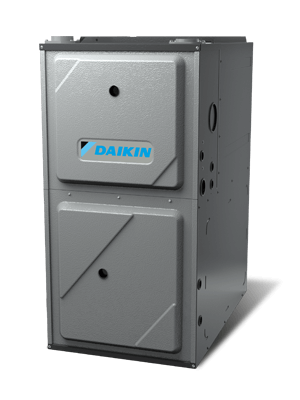
Comfort Improvements You Get With a New Furnace
Upgrading isn’t just about saving money—it’s also about how your home feels every day.
Common Problems With Older Furnaces
- Uneven temperatures
- Hot and cold spots
- Loud operation
- Dry, uncomfortable air
- Short cycling (turning on and off frequently)
What Modern Furnaces Do Better
- Two-stage or modulating heat output for consistent temperatures
- Variable-speed blowers for smoother airflow
- Quieter operation
- Better humidity control
- Improved air circulation
Many homeowners are surprised by how much more comfortable their home feels after replacing an outdated system.
Safety Risks of Keeping an Old Furnace
Safety is another major reason to consider upgrading.
Potential Risks With Older Furnaces
- Cracked heat exchangers
- Carbon monoxide leaks
- Faulty ignition systems
- Outdated safety controls
Newer furnaces include:
- Advanced safety sensors
- Sealed combustion chambers
- Automatic shutoffs
- Improved venting designs
If your furnace is approaching or past 15 years old, a professional inspection is essential to ensure it’s operating safely.

Cost Savings Beyond Energy Bills
While energy savings are important, they’re not the only financial benefit.
Additional Ways a New Furnace Saves Money
- Fewer repair calls
- Lower maintenance costs
- Increased system reliability
- Potential rebates or tax credits
- Improved home resale value
A newer furnace is also less likely to fail during extreme cold, helping you avoid emergency replacement costs.
How Furnace Age Affects Heating Performance
As furnaces age, components wear down, even with regular maintenance.
This can lead to:
- Slower heating response
- Longer run times
- Higher gas or electric usage
- Reduced airflow
New systems are designed to heat your home more evenly and efficiently, even during very cold weather.
Is It Cheaper to Replace a Furnace in the Off-Season?
In some cases, yes.
Replacing a furnace during spring or fall often means:
- Better scheduling availability
- More equipment options
- Potential seasonal incentives
Waiting until winter emergencies can limit choices and sometimes increase costs. However, special promotions are sometimes available during the winter months.
Signs Your Furnace Is Ready for Replacement
If you notice any of the following, it may be time to upgrade:
- Furnace is 15–20+ years old
- Rising energy bills
- Frequent or costly repairs
- Uneven heating
- Loud or unusual noises
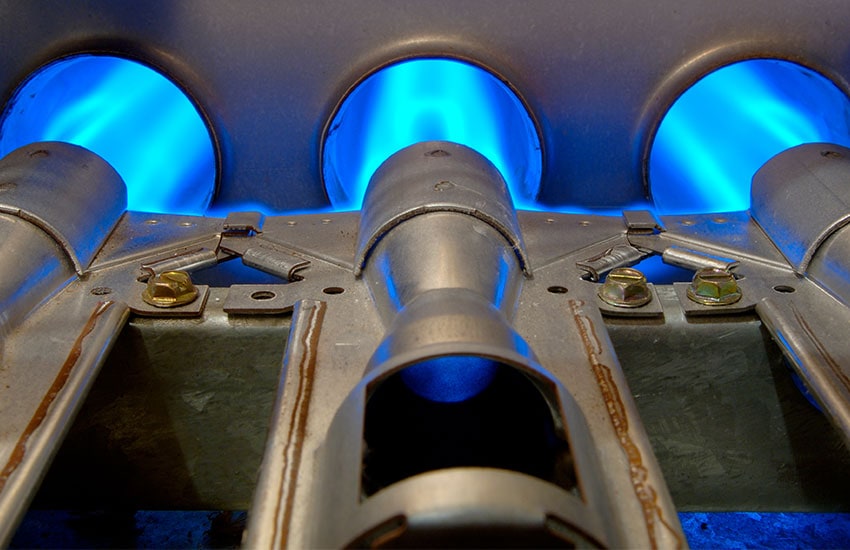
- Yellow pilot flame (instead of blue)
- Dry or stale indoor air
A professional evaluation can help confirm whether replacement makes sense.
Choosing the Right Furnace for Your Home
Not all furnaces are the same. Modern options include:
- Single-stage furnaces
- Two-stage furnaces
- Modulating furnaces
Each offers different levels of efficiency, comfort, and cost. Choosing the right system depends on:
- Home size
- Climate
- Budget
- Comfort preferences
A qualified HVAC professional can help match the system to your needs.
Conclusion: Upgrade Before Your Furnace Becomes a Problem
An older furnace doesn’t have to fail completely to cost you money. Rising energy bills, comfort issues, and safety concerns often signal that it’s time to upgrade.
Replacing a furnace at the right time can:
- Lower heating costs
- Improve comfort
- Increase safety
- Reduce repair headaches
- Provide long-term peace of mind
If your furnace is 15 years or older, now is the perfect time to explore replacement options.
📞 Call Nespolo Mechanical in Albuquerque, NM at (505) 226-5855 to schedule a professional furnace evaluation and learn whether upgrading could save you money and improve comfort this winter.
👉 Want help comparing brands and models? Be sure to check out our complete guide to the best furnaces to find the right system for your home.